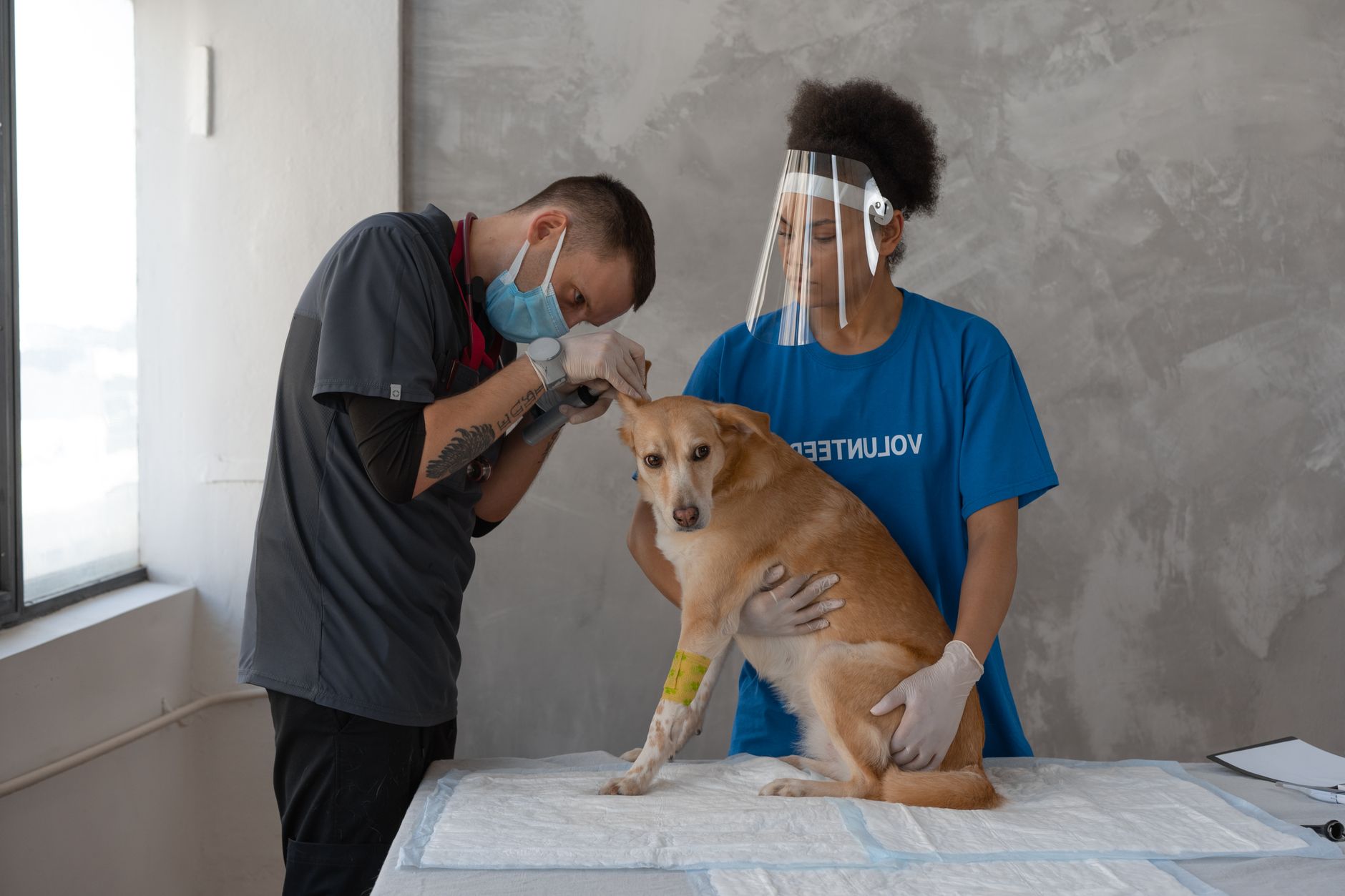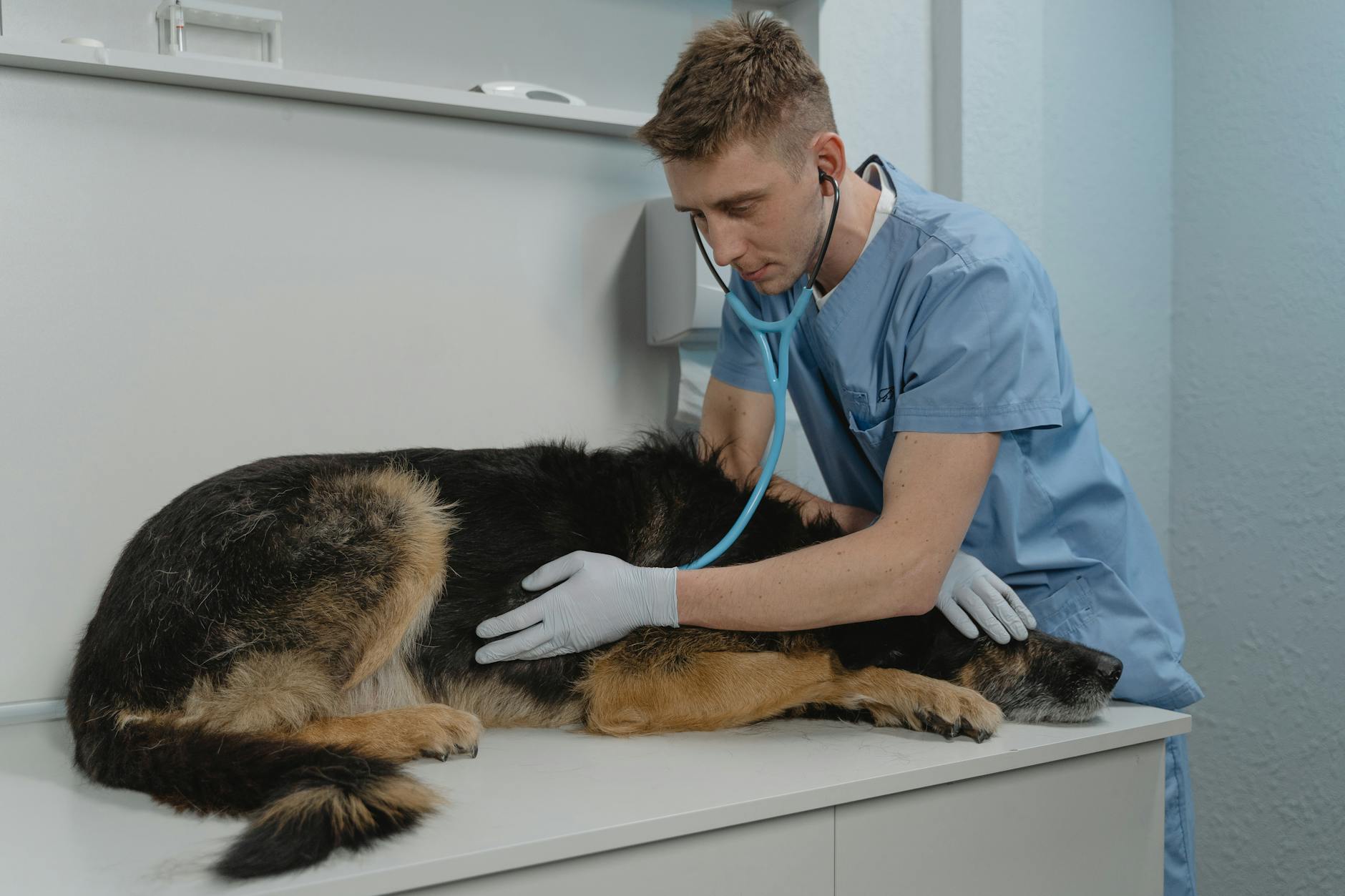
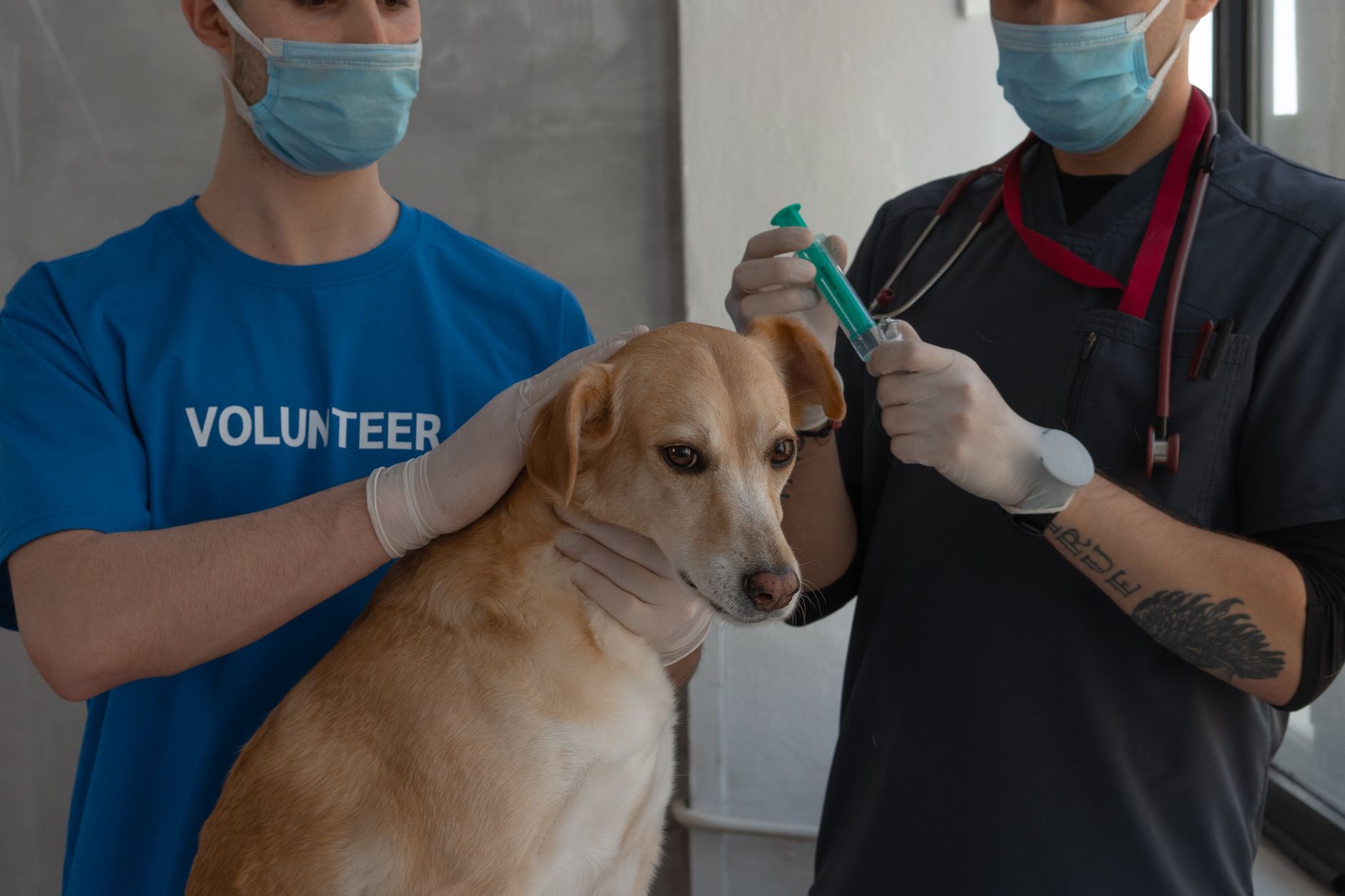
Yes, a vet can come to your house in the UK. A home visit vet, often called a mobile vet, is an RCVS-registered veterinary surgeon who examines and treats your pet in your own home instead of at a clinic. Most routine care can be done this way, including health checks, vaccinations, repeat medication, blood samples and end-of-life care. Surgery, X-rays and anything needing an anaesthetic still need a clinic.
This guide explains how a home visit works, what it can and cannot cover, who should attend, what it costs and how to book one.
What is a home visit vet?
A home visit vet is a veterinary surgeon who travels to you. Some work for a practice that also has a clinic, and some run a practice that only does home visits. Either way they must be on the RCVS register, the same register every UK vet has to be on.
A mobile vet carries equipment and a working stock of common medicines in their vehicle. Under RCVS rules a vehicle is not registered as veterinary premises in its own right: to supply medicines from it, it must be linked to a registered fixed premises, which can be a practice or the vet's home address.
How does a home vet visit work?
- You book a time and give your address, your pet's details and the reason for the visit.
- The vet arrives with what they need for that appointment, usually a stethoscope, thermometer, scales, sample kits and the medicines most likely to be needed.
- They examine your pet where it is calmest, often on the sofa or the floor, and talk you through what they find.
- They treat what can be treated at home, supply or prescribe medication, and tell you clearly if anything needs a clinic.
- You pay for the visit, and get written notes or a prescription if one is needed.
How long does a home vet visit take?
Published UK home visit appointments usually run from 20 minutes to an hour, depending on the practice and what the visit is for. Every consultation booked through Pet Care at Door is a fixed 30-minute slot. End-of-life appointments are normally longer and unhurried.
What can a vet do at home, and what needs a clinic?
At home, a vet can carry out a full physical examination, give vaccinations, take blood and urine samples, microchip, manage long-term conditions, check wounds and stitches, trim nails and provide end-of-life care. Our guide to what a vet can do during a home visit covers each of these in detail, including vaccinations at home and prescribing medication at home.
A clinic is still needed for:
- surgery, including neutering and most dental work
- X-rays, ultrasound and other imaging that needs fixed equipment
- anything that needs a general anaesthetic or deep sedation
- hospital care, drips and overnight monitoring
- emergencies such as a road accident, breathing difficulty or collapse, where you should contact your practice or its out-of-hours service straight away
Is a home visit less stressful for my pet?
For many pets, yes. A cat that has to be caught, boxed and driven to a waiting room full of dogs is often more frightened and harder to examine than the same cat on its own sofa. Home visits also suit:
- elderly or arthritic pets who struggle with the car
- pets who get travel sick or very anxious at the clinic
- households with several pets, who can all be seen in one visit
- owners who do not drive, have mobility problems or have young children at home
- end-of-life care, when many families want their pet at home (see home euthanasia)
Our comparison of a mobile vet and a traditional clinic sets out when each makes more sense.
Should I book a vet or a veterinary nurse?
Book a veterinary surgeon if your pet is unwell, injured, needs a diagnosis, vaccinations or prescription medication, or for end-of-life care. A registered veterinary nurse can help with practical routine care such as nail clipping, weight checks, post-operative checks and advice, but under RCVS rules cannot diagnose or prescribe and cannot work independently of a vet. See should I book a vet or a veterinary nurse and what a vet nurse can do at a home visit.
How much does a home vet visit cost?
Published UK prices for a routine home consultation typically run from £80 to £225, depending on distance, timing and what is included. Our home vet visit cost guide breaks down where those figures come from.
How do I find and book a home visit vet?
- Search by postcode on Pet Care at Door to see RCVS-registered vets and nurses who cover your area and their full price for your address.
- Or check your nearest city page, for example mobile vets in London, Manchester or Leeds.
- Whoever you book, you can confirm their registration using the RCVS Find a Vet Surgeon search.
Before the visit, our guide to preparing for a home vet visit explains what to have ready.
Sources
Frequently asked questions
Can a vet come to my house in the UK?
Yes. RCVS-registered vets can examine and treat your pet at home, including health checks, vaccinations, blood samples, repeat medication and end-of-life care. Surgery, imaging and anything needing an anaesthetic still require a clinic.
What is the difference between a mobile vet and a home visit vet?
They are the same thing. Both describe an RCVS-registered vet who travels to your home. To supply medicines from their vehicle, the vehicle must be linked to RCVS-registered premises such as a practice or the vet's home address.
How long does a home vet visit take?
Published UK home visit appointments usually last between 20 minutes and an hour. Every consultation booked through Pet Care at Door is a fixed 30-minute slot.
Can a home visit vet handle emergencies?
A booked home visit is not an emergency service. For a road accident, breathing difficulty, collapse or heavy bleeding, contact your practice or its out-of-hours provider immediately.
Do vets do home visits for cats?
Yes. Cats are among the pets who benefit most, because the carrier, car journey and waiting room are often the most stressful part of a clinic visit.
How do I check a home visit vet is properly qualified?
Every vet practising in the UK must be on the RCVS register. You can search for any vet by name using the RCVS Find a Vet Surgeon tool on the RCVS website.