
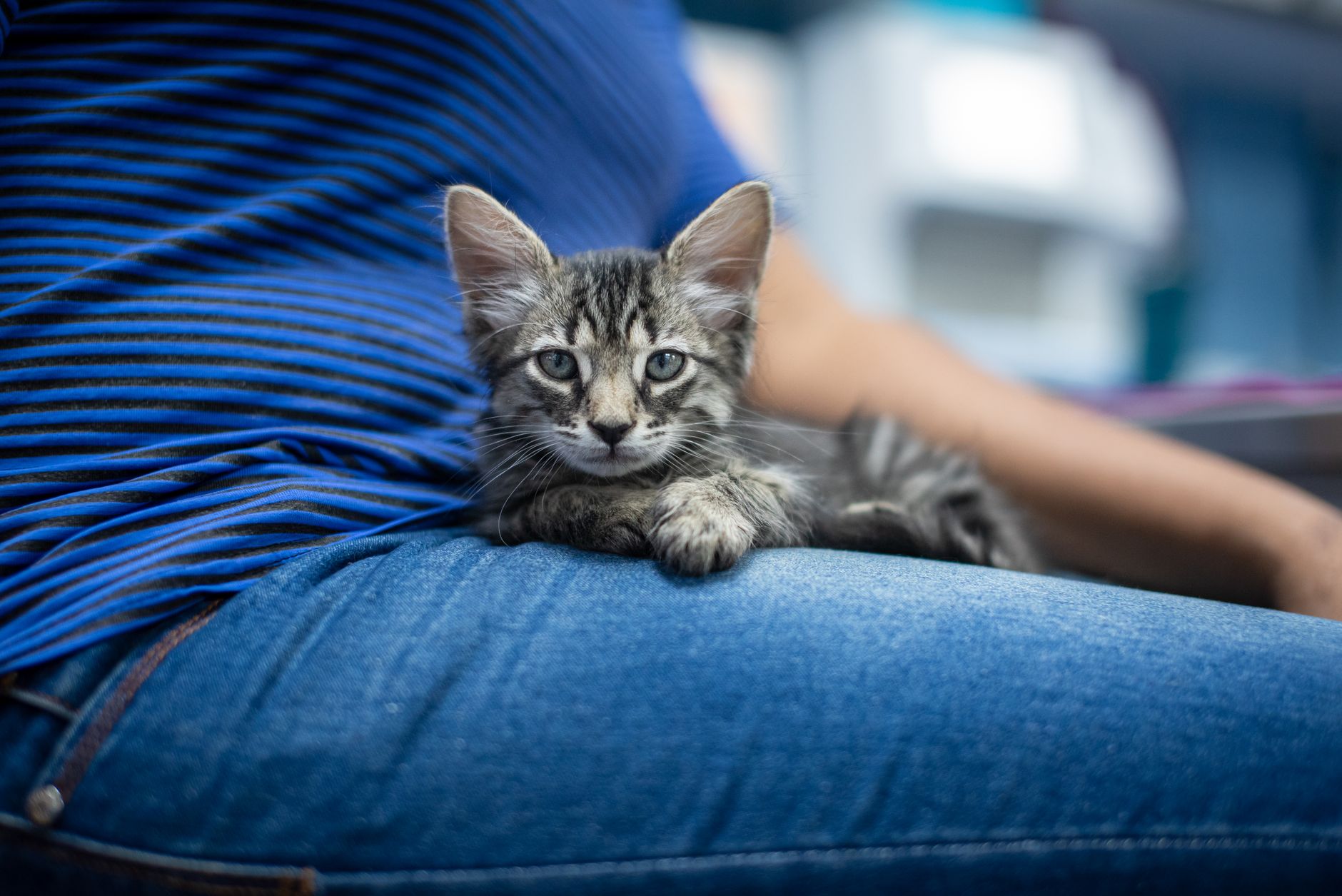
During a home visit vet appointment, a registered veterinary surgeon can perform a wide range of standard healthcare services, including full physical examinations, routine vaccinations, microchipping, blood sampling, health checks for ongoing conditions, and peaceful end-of-life care. Most non-emergency veterinary procedures that do not require complex surgery or advanced diagnostic imaging can be completed safely in your home environment.
What routine healthcare services can be provided at home?
A home visit vet can manage most routine preventative care for dogs, cats, and small pets. They perform complete health examinations, checking your pet's heart, lungs, ears, eyes, skin, and abdomen. During the appointment, vets can administer essential vaccinations, place microchips, and assess weight and dental health. They can also take diagnostic samples, such as blood, urine, or hair plucks, which are then sent to a laboratory for analysis.
How do vets treat ongoing illnesses during a home visit?
For pets managing long-term health conditions like arthritis, diabetes, or kidney disease, home veterinary care offers a stress-free way to monitor progress. Vets can evaluate how well your pet moves and behaves in their natural surroundings, which often gives a clearer picture than a brief clinic visit. They can adjust treatment plans, prescribe necessary ongoing medications, administer pain relief injections, and demonstrate how to give medications safely at home.
Can end-of-life care be managed at home?
Palliative care and compassionate end-of-life decisions are among the most comforting services offered in a home setting. When the time comes, a vet can perform gentle, peaceful euthanasia where your pet feels safest, surrounded by their family. This eliminates the stress of transport and clinic waiting rooms, allowing pets to pass away with dignity and calm.
When is a clinic visit necessary instead of a home visit?
While mobile veterinary care covers many day-to-day needs, certain situations require the equipment of a full veterinary hospital. Critical emergencies, major surgical operations, general anaesthesia, digital X-rays, and ultrasound scans must take place in a traditional clinical facility. If your pet shows signs of severe trauma or sudden acute illness, booking an emergency appointment at a hospital clinic is essential.
Frequently asked questions
Do home visit vets carry prescription medications?
Yes, home visit vets carry common medications, vaccines, and emergency treatments in their mobile kits. If your pet requires a specific or long-term medication, the vet can arrange a prescription or deliver it directly to your home.
Are home vet visits suitable for anxious pets?
Home visits are ideal for nervous, reactive, or fearful animals because they eliminate the stress of car travel and busy clinic waiting rooms. Pets remain calmer in their familiar surroundings, making examinations easier and more accurate.
How should I prepare my home for a vet visit?
You should keep your pet in a secure, well-lit room prior to the vet's arrival, especially if you have a cat that might hide. Ensure there is clear space for the vet to set up their equipment and comfortably examine your pet.
How do I book a home visit with an RCVS-registered vet?
You can easily book a home visit through the Pet Care at Door platform, choosing a qualified vet or nurse at a time that suits your schedule. If you have specific concerns about your pet's health, booking a consultation allows a professional to assess them directly.


