
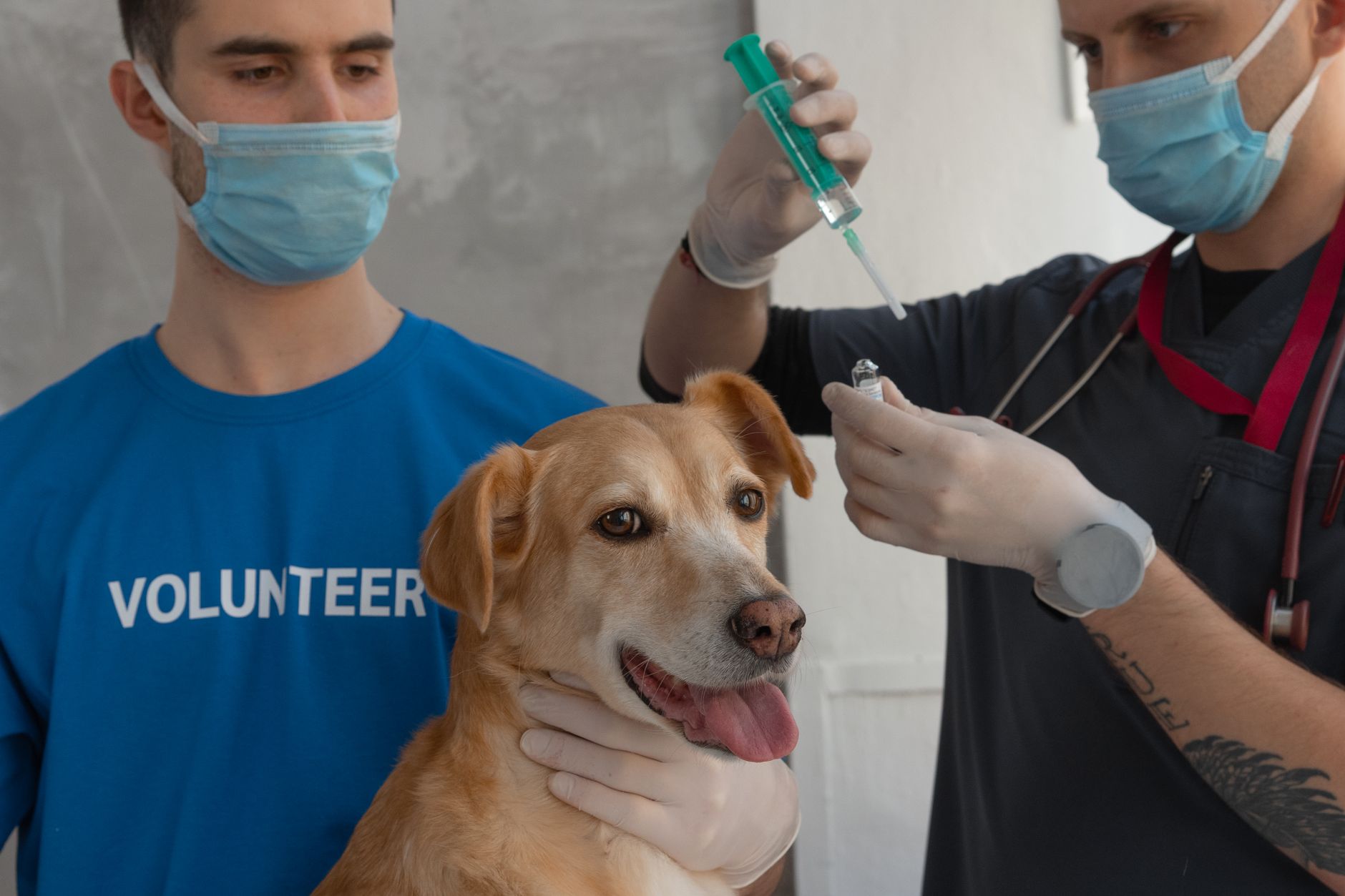
Preparing for a home vet visit involves securing your pet in a safe, quiet room, gathering relevant medical history, and setting up a well-lit space for the examination. By taking a few straightforward steps before the practitioner arrives, you can help ensure a smooth, relaxed consultation that minimises stress for your pet.
What should you do before the vet arrives?
Securing your pet in a comfortable, enclosed room well before the appointment time prevents them from hiding or wandering off when the practitioner arrives. Cats should be kept indoors with interior doors closed, while dogs should be settled in a quiet area away from the front entrance. Gathering previous medical records, vaccination certificates, and details of current diets or supplements ensures all necessary information is readily available. Having a brief list of your pet's symptoms or routine care needs will help the visiting veterinary team tailor the consultation efficiently.
How to create a suitable environment for the examination
Choose a well-lit room with adequate space for both you and the veterinary professional to move around your pet safely. A room with non-slip flooring, such as a carpeted living area or a room with a secure rug, helps nervous pets feel balanced and secure during physical checks. Minimise household distractions by turning off the television, placing other pets in a separate room, and keeping noise to a minimum. Placing your pet's favourite blanket or bed in the designated area can offer extra comfort and reassurance throughout the assessment.
What details should you prepare for the veterinary team?
Preparing a brief summary of your pet's daily routine, appetite, behaviour changes, and recent toileting habits gives the visiting team valuable context. Write down any specific questions or health concerns you wish to address so nothing is overlooked during the appointment. If your pet receives ongoing care, keeping your clinical history accessible ensures accurate record keeping between visits. Because general advice cannot replace a professional assessment, booking a qualified RCVS-registered vet or registered veterinary nurse is always the best choice for personalized advice on your pet's health.
Frequently asked questions
How long does a home vet visit usually take?
Most home veterinary consultations last between twenty and forty minutes, depending on the nature of the check-up. This allows sufficient time for a thorough clinical examination without rushing your pet.
Should I keep my cat in a carrier before a home vet visit?
It is usually best to keep your cat in a small, secure room with closed doors rather than inside a carrier. This keeps them calm while preventing them from hiding under low furniture when the vet arrives.
What can a vet do during a home visit?
A visiting vet can perform physical health checks, administer routine vaccinations, collect diagnostic samples, and assess minor illnesses in the comfort of your home.


