
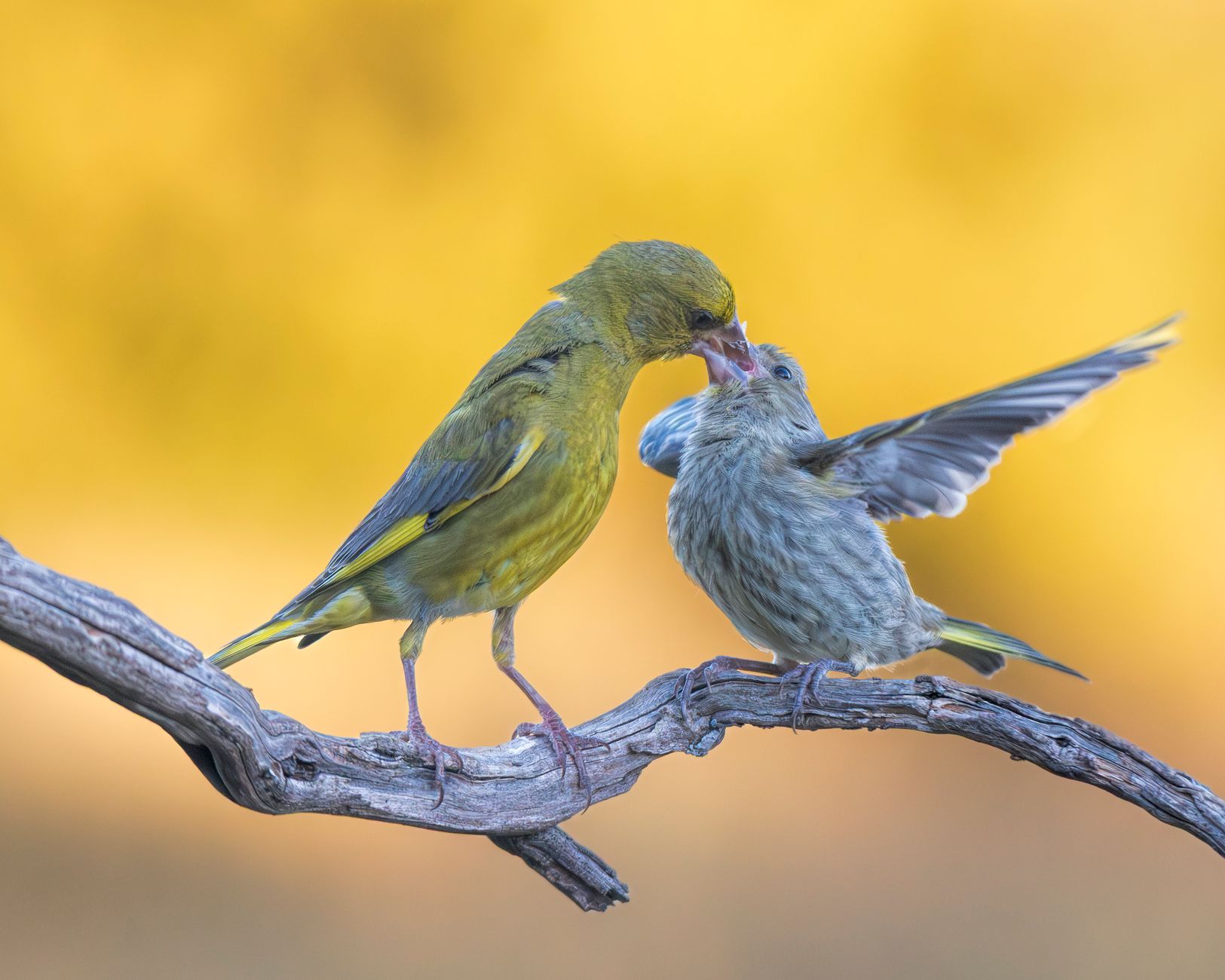
Pet birds require regular time outside their cage to stretch their wings, explore their surroundings, and stay physically and mentally active. Spending dedicated daily time outside the enclosure prevents boredom, encourages natural behaviours like flying and foraging, and helps strengthen the bond between pets and their owners.
How does time outside the cage benefit a bird's physical health?
Allowing your pet bird time out of its cage provides essential bird exercise that supports overall muscle tone, feather health, and joint mobility. Flight is a full-body activity that builds cardiovascular fitness and strengthens pectoral muscles, which cannot be adequately maintained inside a restricted enclosure.
Even for non-flying or wing-clipped birds, climbing around a secure play area promotes balance, foot strength, and coordination. Regular movement helps birds stay active and maintain a healthy body condition alongside a balanced diet.
How does out-of-cage play support mental well-being?
Birds are exceptionally intelligent, social creatures that can become frustrated or bored when confined to the same small environment all day. Stepping outside the cage offers fresh sensory stimulation, new viewpoints, and opportunities to interact with different textures and safe objects.
Mental stimulation through exploration and foraging activities outside the cage helps satisfy a bird's natural curiosity. Providing varied play areas encourages problem-solving skills and promotes a calm, confident temperament within the home.
How can you ensure out-of-cage time is safe?
Before letting your bird out, it is important to prepare the room by closing all windows and doors, drawing blinds over large glass panels, and switching off ceiling fans. Removing toxic houseplants, open containers of water, and exposed electrical cords prevents common household hazards.
Supervision is essential whenever your bird is exploring outside its enclosure. Creating a dedicated play stand with safe perches and toys helps keep your pet focused on secure zones within your living space.
If you have questions about your pet's routine, environment, or general behaviour, you can book a home visit with an RCVS-registered vet or registered veterinary nurse through Pet Care at Door. Speak to a qualified veterinary professional if you are concerned about your pet.
Frequently asked questions
How many hours a day should a pet bird be out of its cage?
Most pet birds benefit from at least two to four hours of supervised out-of-cage time every day. Larger or particularly energetic species may appreciate even more time to fly, forage, and interact.
Can you let a pet bird out of its cage on its first day in a new home?
It is generally best to let a new bird settle into its cage for a few days to adjust to the sounds and surroundings of your home before introducing out-of-cage play. Once the bird appears calm, you can begin short, supervised sessions in a secure room.
What should you do if your bird refuses to go back into its cage?
Avoid chasing or grabbing your bird, as this can cause stress and damage your bond. Instead, use favourite treats or a perch to gently guide them back, or schedule out-of-cage play right before their usual feeding time so they return willingly.


