
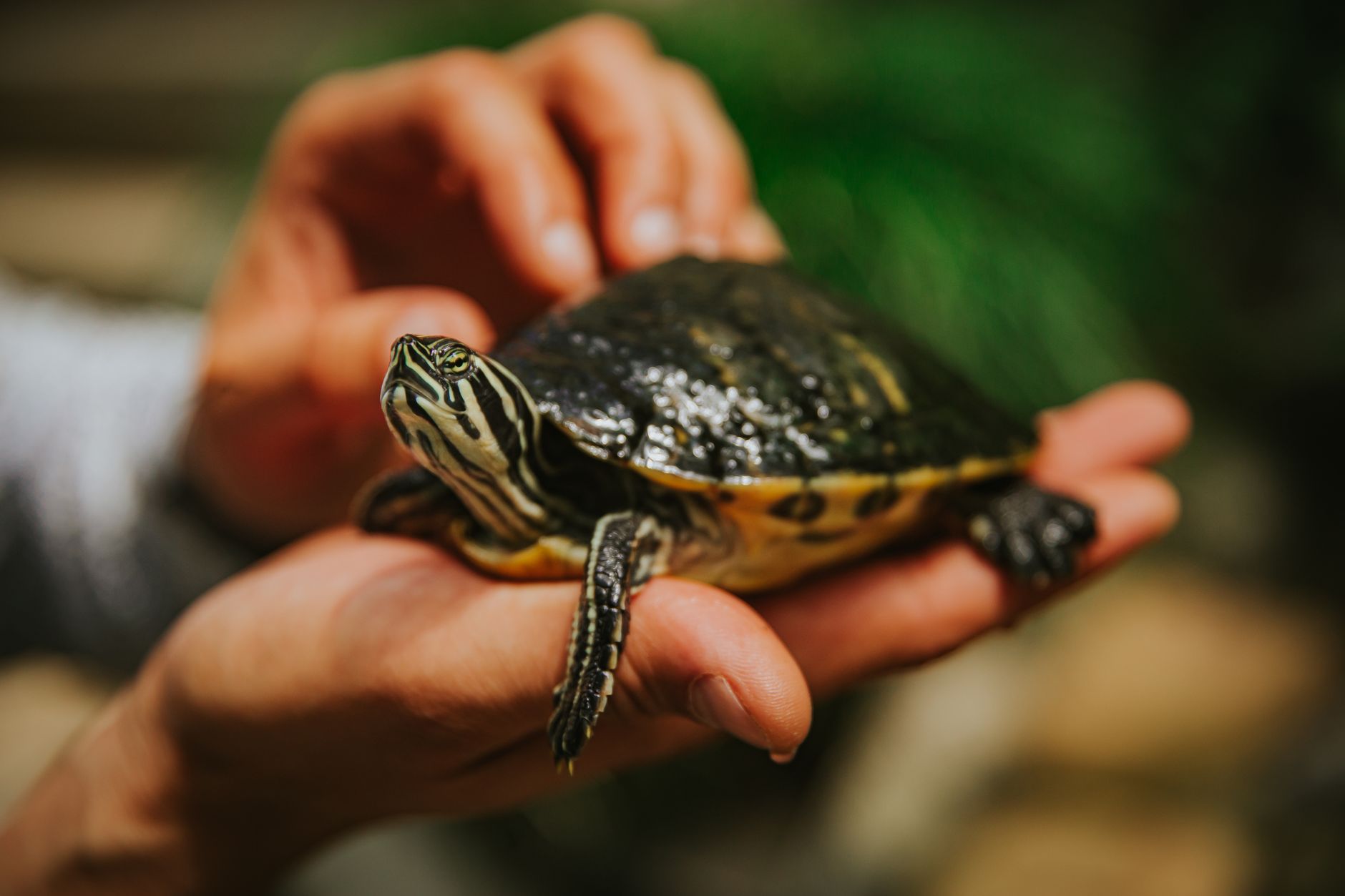
Setting up a reptile enclosure setup requires matching the environment to your specific pet's natural habitat, temperature needs, and climbing habits. Arid species like bearded dragons need horizontal space and desert-style landscaping, while tropical species like crested geckos thrive in vertical vivariums rich in foliage. Providing the correct balance of space, heating gradients, light, and humidity ensures your reptile remains comfortable and safe at home.
What is the best setup for desert-dwelling reptiles?
Desert-dwelling reptiles, such as bearded dragons and leopard geckos, thrive in wide, horizontal vivariums that mimic dry, arid environments. A proper enclosure setup for these species includes a warm basking zone at one end and a cooler zone at the other, allowing the animal to self-regulate its body temperature. Substrates like specialist desert sand mixes or slate tiles work well, combined with flat rocks, low branches, and sturdy hiding caves. It is essential to secure heat lamps safely with guards and ensure ultraviolet lighting spans the active area of the vivarium.
How do you design a vertical vivarium for arboreal reptiles?
Arboreal reptiles, including crested geckos and chameleon species, spend most of their time off the ground and require tall, vertical vivariums. These setups should feature plenty of climbing branches, cork bark tubes, and artificial or live safe plants to provide vertical security and hiding spots. Arboreal environments typically require higher humidity levels, which can be maintained by spraying mist and using moisture-retentive substrates like coconut fibre or bark chips. Placing feeding ledges elevated on the terrarium walls caters to their natural foraging behaviour.
What essential accessories create a safe and enriching environment?
Every successful reptile habitat combines functional heating and lighting with enrichment accessories to encourage natural behaviours. Thermostats are vital for every heat source to prevent overheating, and digital thermometers placed at both ends of the vivarium help monitor gradients accurately. Hiding places in both the hot and cool zones give your pet a sense of security, while shallow water dishes provide hydration without creating a drowning hazard. For tailored advice on creating a safe habitat for your specific pet, you can book a home visit with an RCVS-registered vet or veterinary nurse through Pet Care at Door.
Frequently asked questions
What size vivarium does an adult bearded dragon need?
An adult bearded dragon typically requires a vivarium that is at least four feet long, two feet wide, and two feet high. Providing ample horizontal floor space allows for a proper heat gradient and room to move naturally.
How do you maintain humidity in a tropical reptile vivarium?
You can maintain humidity by misting the vivarium regularly with clean water, using moisture-holding substrates such as coconut coir, and adding live pet-safe plants. Installing an automated misting system or fogger also helps keep humidity consistent.
Why is a thermostat necessary for a reptile heat source?
A thermostat regulates the temperature of heat lamps or heat mats to prevent the vivarium from becoming dangerously hot. It ensures a stable temperature gradient and protects your pet from accidental overheating or burns.
How often should a reptile vivarium be cleaned?
Spot cleaning to remove waste and uneaten food should be done daily. A full deep clean, which involves replacing the substrate and disinfecting all surfaces and decor with pet-safe cleaner, is generally recommended once a month.


