
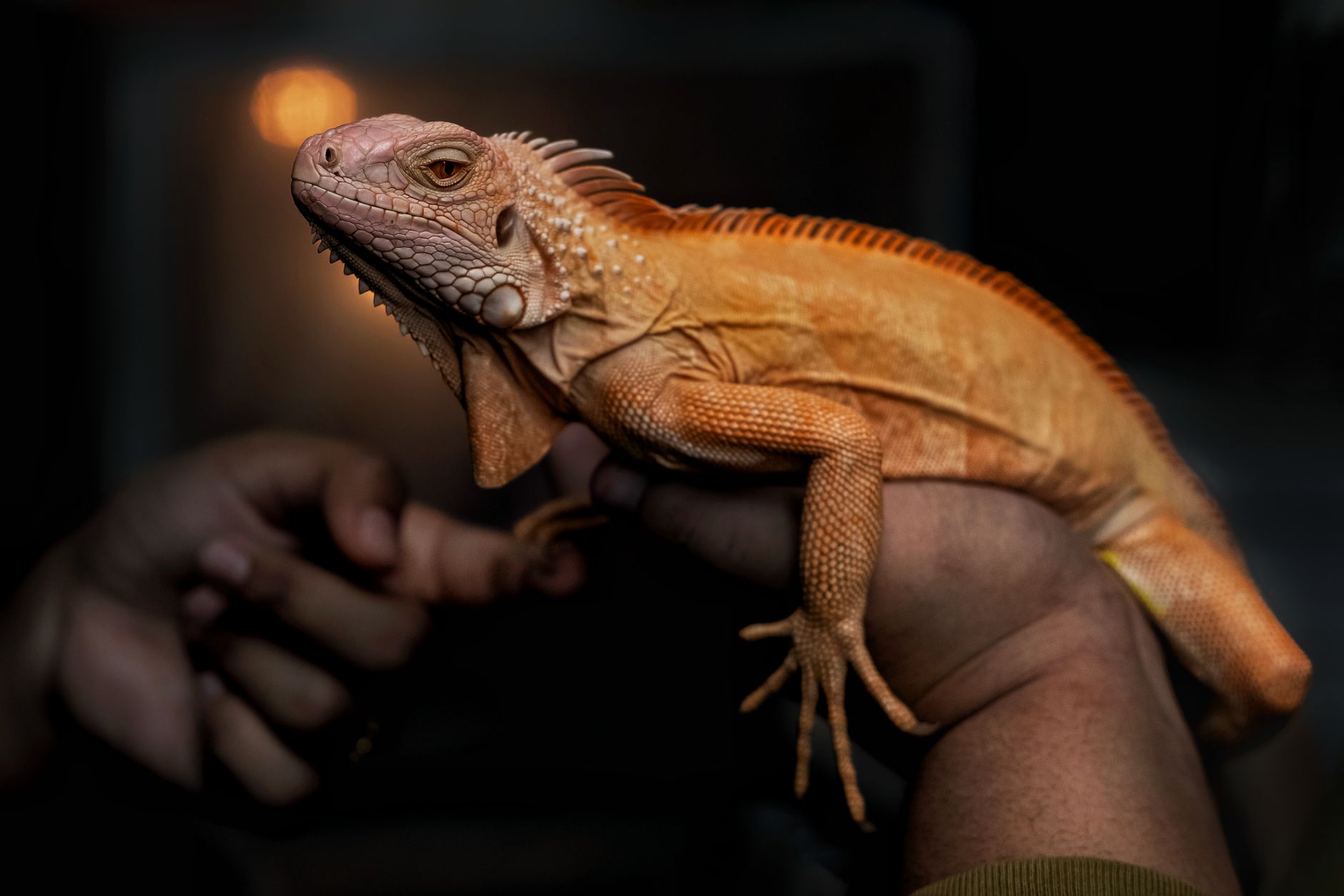
Setting up your first reptile enclosure setup involves selecting the correct size vivarium, creating an appropriate temperature gradient with safe heating devices, providing essential lighting, and installing suitable substrate and decor. Preparing the environment fully before bringing your pet home ensures proper conditions are met and helps your reptile settle into their new space easily.
What type of enclosure is best for your reptile?
Choosing the correct vivarium or terrarium depends entirely on the specific species you plan to keep. Terrestrial species like leopard geckos need wide, shallow enclosures with plenty of floor space, whereas arboreal species like crested geckos require taller setups with vertical climbing room. Wooden vivaria excel at holding heat for arid species, while glass or plastic terrariums often suit high-humidity environments better.
Ensure the enclosure is securely lockable, well-ventilated, and large enough to accommodate your reptile as an adult. Purchasing an enclosure based on your pet's full-grown size prevents the stress and expense of frequent upgrades later on.
How do you manage heating and lighting correctly?
Reptiles are ectothermic, meaning they rely on external heat sources to regulate their body temperature. Your setup must feature a warm basking area at one end and a cooler zone at the other, creating a natural thermal gradient. Overhead heat lamps, deep heat projectors, or heat mats connected to a compatible thermostat are essential for maintaining stable temperatures safely.
Lighting is another critical element of reptile care. Most diurnal reptiles require full-spectrum ultraviolet B lighting to synthesise calcium properly and maintain strong bones. Ensure the light source is positioned correctly according to manufacturer guidelines, and replace ultraviolet bulbs regularly as their output diminishes over time.
What substrate and decor should you include?
Substrate covers the base of the enclosure and varies according to species requirements. Arid species often thrive on soil-sand blends, while tropical species benefit from moisture-retaining materials like coconut coir or orchid bark chunks. Always research safe materials, opting for easy-to-clean options if you are housing a juvenile animal.
Decor provides vital mental enrichment and security. Place at least two sturdy hides in the enclosure, one on the warm side and one on the cool side, so your pet feels secure anywhere in their home. Adding branches, plants, cork bark, and a suitable water dish creates a naturalistic, engaging environment.
How do you maintain the enclosure ongoingly?
Daily maintenance involves spot-cleaning waste, replacing fresh water, and checking digital thermometers and hygrometers to confirm environmental levels remain correct. A full clean with reptile-safe disinfectant should take place periodically depending on the size and type of the vivarium.
If you ever have questions about creating the ideal habitat or managing your pet's day-to-day welfare, speak to a qualified veterinary professional if you are concerned about your pet. A home visit from an RCVS-registered vet or veterinary nurse can offer tailored guidance in your pet's own familiar environment.
Frequently asked questions
What is the main difference between a vivarium and a terrarium?
A vivarium is generally a wooden or composite enclosure designed to retain heat for terrestrial reptiles, whereas a terrarium is typically glass and suited to humid or planted setups.
Do all pet reptiles require UVB lighting?
While diurnal species like bearded dragons require high-output UVB light to stay healthy, nocturnal species also benefit from low-level lighting to maintain a natural day-night cycle.
How do you measure enclosure temperature and humidity accurately?
Use digital probe thermometers placed at both the warm and cool ends of the enclosure, alongside a digital hygrometer, to monitor conditions precisely.


