
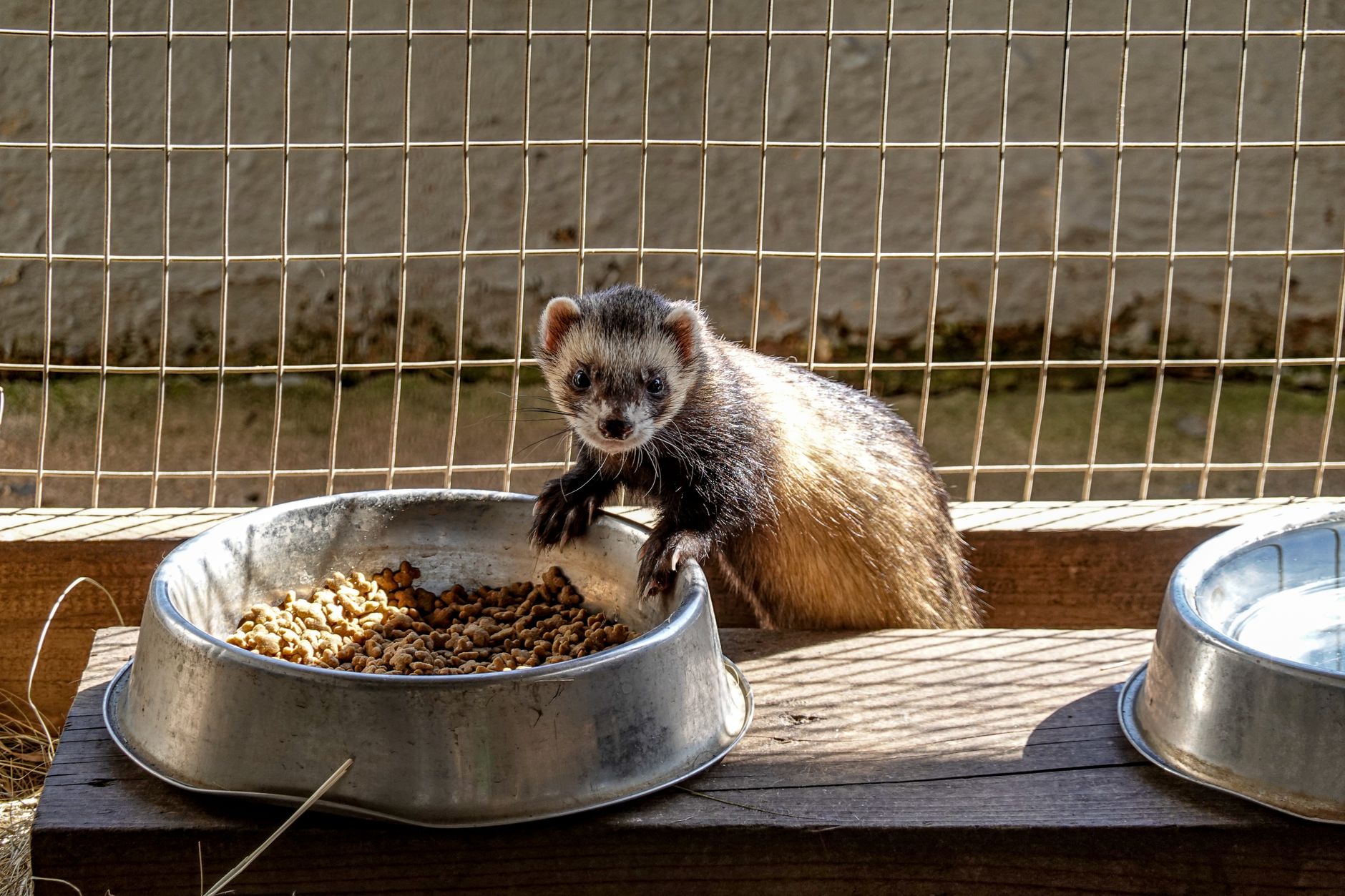
A multi-level ferret enclosure provides curious ferrets with the vertical space, mental stimulation, and physical exercise they need to stay active and content. By choosing a sturdy wire cage with solid flooring, safe ramps, secure latches, and dedicated zones for sleeping, eating, and toilet needs, you can create a safe, comfortable home environment for your pets.
What features should a multi-level ferret enclosure have?
When selecting a multi-level ferret enclosure, durability and safety are the top priorities. Look for a heavy-duty cage constructed from powder-coated metal wire with narrow bar spacing, ideally no wider than two and a half centimetres, to prevent escape attempts. Ferrets are flexible animals capable of squeezing through surprisingly small gaps, so secure latches on all doors are essential.
Solid platform floors are much better for your pet than wire grates. Wire floors can cause foot discomfort and injuries over time, whereas solid plastic or metal trays are comfortable to walk on and easy to wipe clean during daily maintenance routines. Ensure the cage is large enough to allow free movement across all levels, even when accessories and toys are added.
How do you organise the different levels inside the cage?
Organising your ferret enclosure into distinct functional zones keeps the environment clean and engaging. The highest levels are ideal for sleeping quarters, as ferrets naturally prefer elevated, cosy spots for rest. Hang fleece hammocks, hanging cubes, or soft sleeping sacks on the top platforms to create a restful retreat.
Use the middle platforms for enrichment, interactive toys, and foraging activities to encourage your ferrets to explore vertical space. The bottom level should serve as the utility area, housing heavy ceramic food dishes, water bowls or bottles, and a low-sided litter tray placed in a corner away from food.
How can you ensure the ramps and platforms are safe?
Safety is critical when designing vertical space for active pets. Cage ramps can be slippery, so cover plastic or metal ramps with washable fabric sleeves, fleece, or rubber grips to provide traction and prevent fall injuries. Avoid steep ramp inclines by adjusting platform heights where possible.
You can also hang soft fabric hammocks or safety nets directly underneath upper platforms. These act as safety catchers if a ferret slips while climbing or playing on higher levels. Regularly check all ramp attachments, platform hooks, and hanging clips to ensure everything remains securely fastened.
Where is the best place to position the enclosure in your home?
Place the enclosure in a quiet, well-ventilated room that stays cool and free from draughts. Ferrets are sensitive to hot temperatures, so keep the cage away from direct sunlight, conservatories, and radiators. Choose a room where your family spends time, allowing your pets to feel included without being overwhelmed by constant noise.
Creating a suitable home setup takes careful planning and regular monitoring. Speak to a qualified veterinary professional if you are concerned about your pet, or book a home visit with an RCVS-registered vet or nurse for guidance on general care and housing.
Frequently asked questions
How big should a multi-level ferret cage be for two ferrets?
A multi-level cage for a pair of ferrets should measure at least 90cm wide, 60cm deep, and 120cm tall to ensure adequate space for activity and separate living areas.
What is the safest bedding to put inside a ferret cage?
Washable fleece blankets, vet bedding, and fabric hammocks are safe and comfortable options because they do not produce dust or unravel into dangerous loose threads.
How often should you clean a multi-level ferret cage?
Litter trays and food areas should be spot-cleaned daily, while all fleece bedding, platform trays, and cage accessories should be thoroughly washed and disinfected weekly.


