
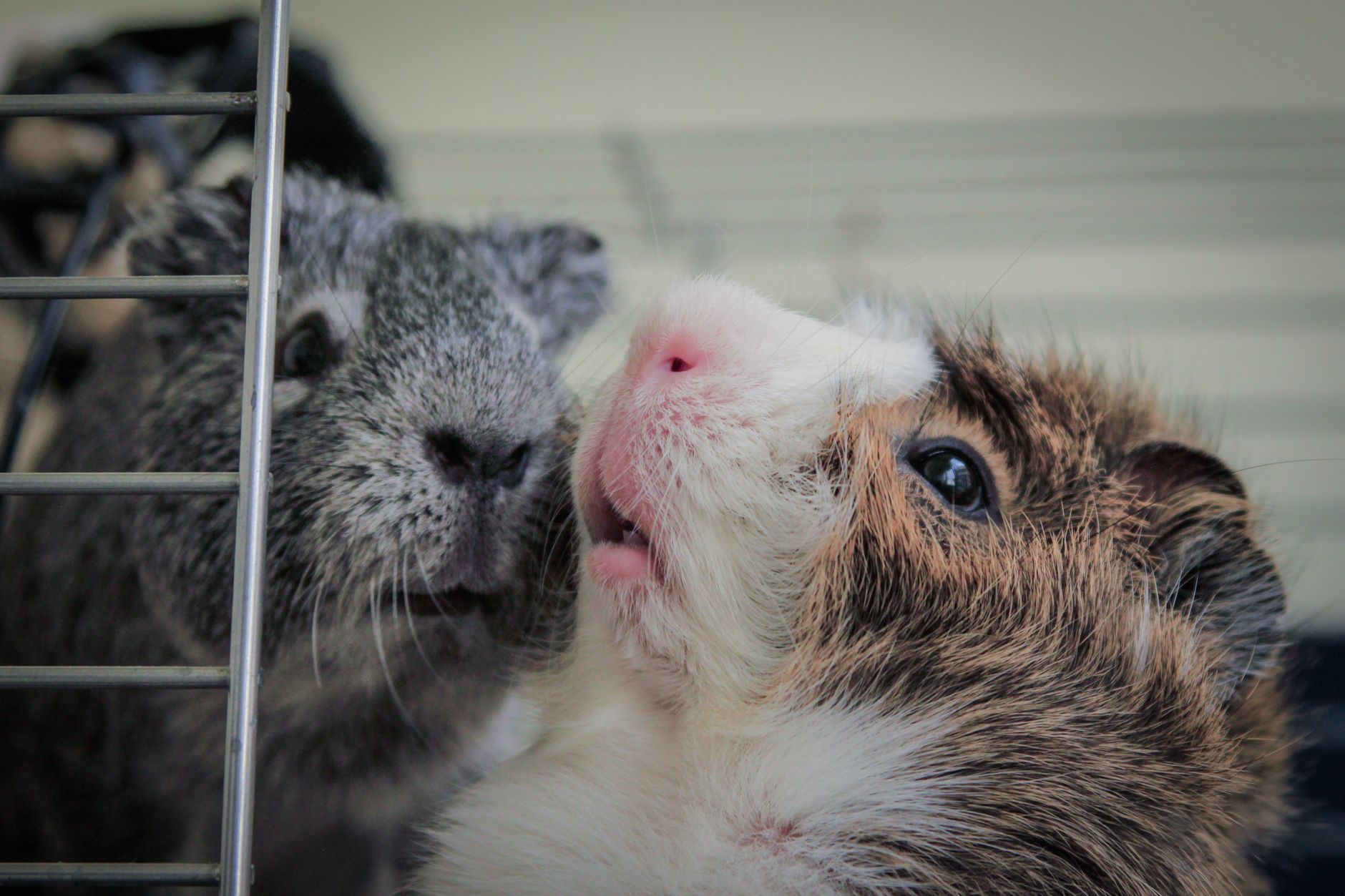
Making your home guinea pig friendly involves securing living spaces to prevent escapes and injuries, providing appropriate flooring, removing household hazards like exposed wires, and creating a quiet, enriched environment. By setting up a dedicated, safe zone with adequate space and suitable bedding, you ensure your small pets remain comfortable, active, and stress-free indoors.
How can you guinea pig proof an indoor room?
To guinea pig proof a room for floor time, start by concealing or lifting all electrical cables and wires out of reach, as guinea pigs instinctively chew on dangling cords. Block off tight gaps under sofas, heavy cabinets, and doorways where a timid pet might get stuck or hide beyond reach. Remove house plants from the area, as many common indoor species are unsafe for small herbivores to chew. Additionally, cover smooth or slippery floorings like hardwood or tile with washable rugs, fleece mats, or towels to provide necessary traction for their delicate feet.
Where should you position your guinea pig enclosure?
Positioning your guinea pig enclosure in the right spot within your house is essential for their overall well-being and confidence. Choose a quiet yet social area of the home, such as a corner of a living room or home office, away from high-traffic zones, loud televisions, and drafty windows. Guinea pigs are sensitive to extreme temperatures and direct sunlight, so keep their housing out of full sun and well clear of radiators or air vents. Maintaining a consistent, comfortable room temperature helps keep your pets calm and content throughout the day.
What setup provides the best indoor environment?
A truly guinea pig friendly space requires ample floor area for daily exercise, along with essential environmental enrichment. Provide a generous enclosure that allows your pets to run freely, fitted with dust-free bedding or absorbent fleece liners for proper hygiene. Include multiple hideaways, tunnels, and hay racks so that every guinea pig in your group has a secure resting spot and constant access to clean feeding areas. Introducing safe wooden chews and cardboard boxes also helps keep your pets entertained and physically active in their home environment.
How can you safely manage interactions with other pets?
If you share your home with dogs, cats, or other animals, keeping your guinea pigs secure requires careful environmental management. Always supervise floor time closely, and ensure that enclosure lids and doors are sturdy and secure. Creating designated quiet zones where larger pets cannot disturb your guinea pigs reduces environmental stress. If you ever have questions about your pets' general care, routine, or living setup, booking a home visit with an RCVS-registered vet or veterinary nurse can provide personalised advice tailored to your household. Speak to a qualified veterinary professional if you are concerned about your pet.
Frequently asked questions
How much floor space do guinea pigs need in a home?
A pair of guinea pigs requires a minimum enclosure size of around 1.1 square metres on a single level, though larger spaces are always preferable. Providing plenty of flat surface area allows them to run, explore, and exercise comfortably.
Are house plants safe around free-roaming guinea pigs?
Many popular household plants are unsafe if nibbled by guinea pigs, so it is best to keep all plants entirely out of reach during floor time. Always clear floor areas of fallen leaves or plant debris before letting your pets out to explore.
Can guinea pigs live safely on tiled or laminate floors?
Hard, slippery surfaces can strain a guinea pig's joints and make running difficult. It is best to lay down fleece liners, washable rugs, or soft towels over smooth flooring to give them proper grip and comfort.
How do you protect furniture from being chewed by guinea pigs?
Guinea pigs like to explore with their teeth, so covering wooden furniture legs or low baseboards with cardboard guards or plastic pipe covers helps protect your home. Providing plenty of safe wooden chew toys inside their play area also directs their natural chewing instincts away from your belongings.


