
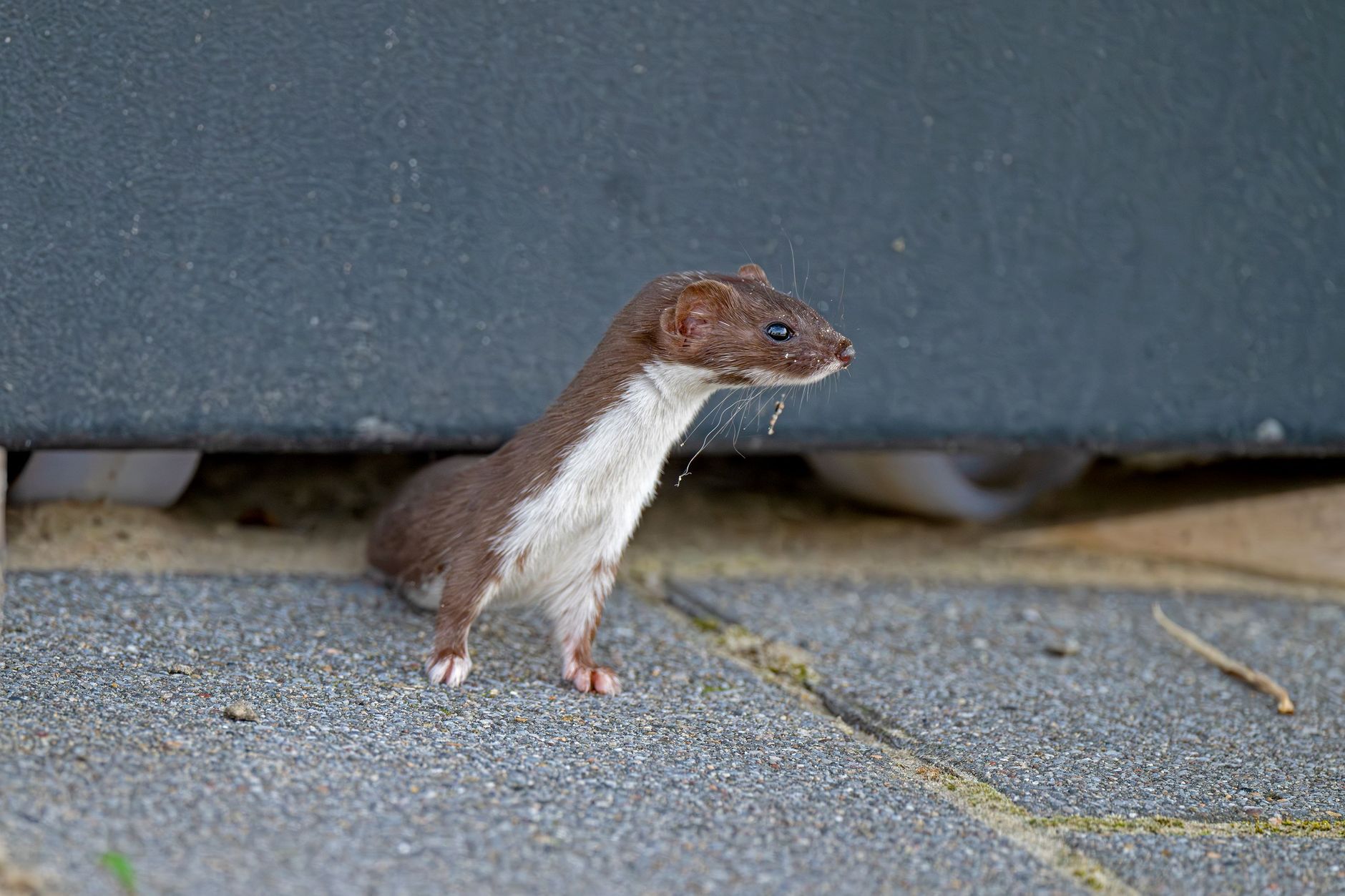
To ferret-proof your home effectively, you must block every gap larger than two centimetres, protect electrical cables, cover soft furnishings, and secure heavy items that could tip over. Ferrets are naturally curious and remarkably flexible, meaning they can squeeze into surprisingly small spaces. Proper ferret proofing ensures your pet can enjoy exercise and enrichment safely outside their enclosure without risking injury or escape.
How do you identify and block potential escape routes?
Ferrets are master escape artists capable of squeezing through tiny gaps around plumbing pipes, under internal doors, and behind fitted cabinets. Inspect every room at floor level to spot potential exit points or hidden voids. Pay particular attention to holes around radiator pipes, floorboards, and skirting boards. Secure these gaps using sturdy materials like wooden panels, metal mesh, or solid plastic boards rather than soft foam or cardboard, which ferrets can easily chew through.
Windows and external doors must remain fully closed whenever your pet is out of their cage. Even standard window screens or open trickle vents can prove insufficient if a determined ferret decides to climb or dig. Installing secure draught excluders and checking for gaps beneath internal doors can help keep your pet contained within a designated, safe room.
What household objects and appliances pose a threat to ferrets?
Many everyday household items pose physical risks to free-roaming ferrets. Recliners, sofa beds, and reclining chairs are particularly dangerous, as the internal mechanisms can injure a ferret resting inside the frame. Reupholstered furniture or broken sofa linings also allow ferrets to climb into the cushions or spring cavity, where they may swallow foam or become trapped.
Kitchen and utility room appliances also require strict precautions. Washing machines, tumble dryers, dishwashers, and fridges should always be kept closed, and you should check inside them before running a cycle. Keep all cleaning chemicals, house plants, electrical cords, and small items like rubber bands, earplugs, and coins well out of reach, as ferrets frequently chew or swallow non-food objects.
How can you create a dedicated safe play area for your ferret?
If ferret proofing an entire house feels overwhelming, setting up a single, completely secure room or enclosed playpen is an excellent alternative. Choose a room with easy-to-clean flooring, such as linoleum or laminate, as ferrets may attempt to dig up carpet corners. Remove all hazardous items, cover exposed wires with heavy-duty cable protectors, and set up safe enrichment toys like fabric tunnels, sturdy cardboard boxes, and hard plastic balls.
Supervision is essential whenever your ferret is enjoying time outside their main enclosure. Even in a carefully prepared room, ferrets will continually test boundaries and find new ways to explore. Speak to a qualified veterinary professional if you are concerned about your pet or want tailored advice on creating a safe lifestyle routine. You can also book a home-visit appointment with a qualified vet or veterinary nurse to assess your pet in their own home environment.
Frequently asked questions
Can ferrets chew through electrical wires?
Yes, ferrets are naturally inquisitive and may chew on exposed electrical cords while exploring. You should protect all visible wires with heavy-duty plastic cable covers or elevate them well out of your ferret's reach.
How small a gap can a ferret fit through?
An adult ferret can squeeze through a hole as small as two to three centimetres in diameter, which is roughly the size of their head. It is vital to cover any small opening around pipes, doors, or furniture baseboards before letting your pet explore.
Is carpet safe for free-roaming ferrets?
Carpet is generally safe, but ferrets love to dig and may pull up carpet fibres near doorways or room corners. Providing dedicated digging boxes filled with ping pong balls or dry rice can help divert this natural digging behaviour away from your flooring.
Should I let my ferret roam freely around the whole house?
It is usually safest to confine free-roaming time to one or two thoroughly ferret-proofed rooms rather than the entire house. This makes supervision much easier and reduces the risk of your pet finding hidden escape routes or hazards.


