
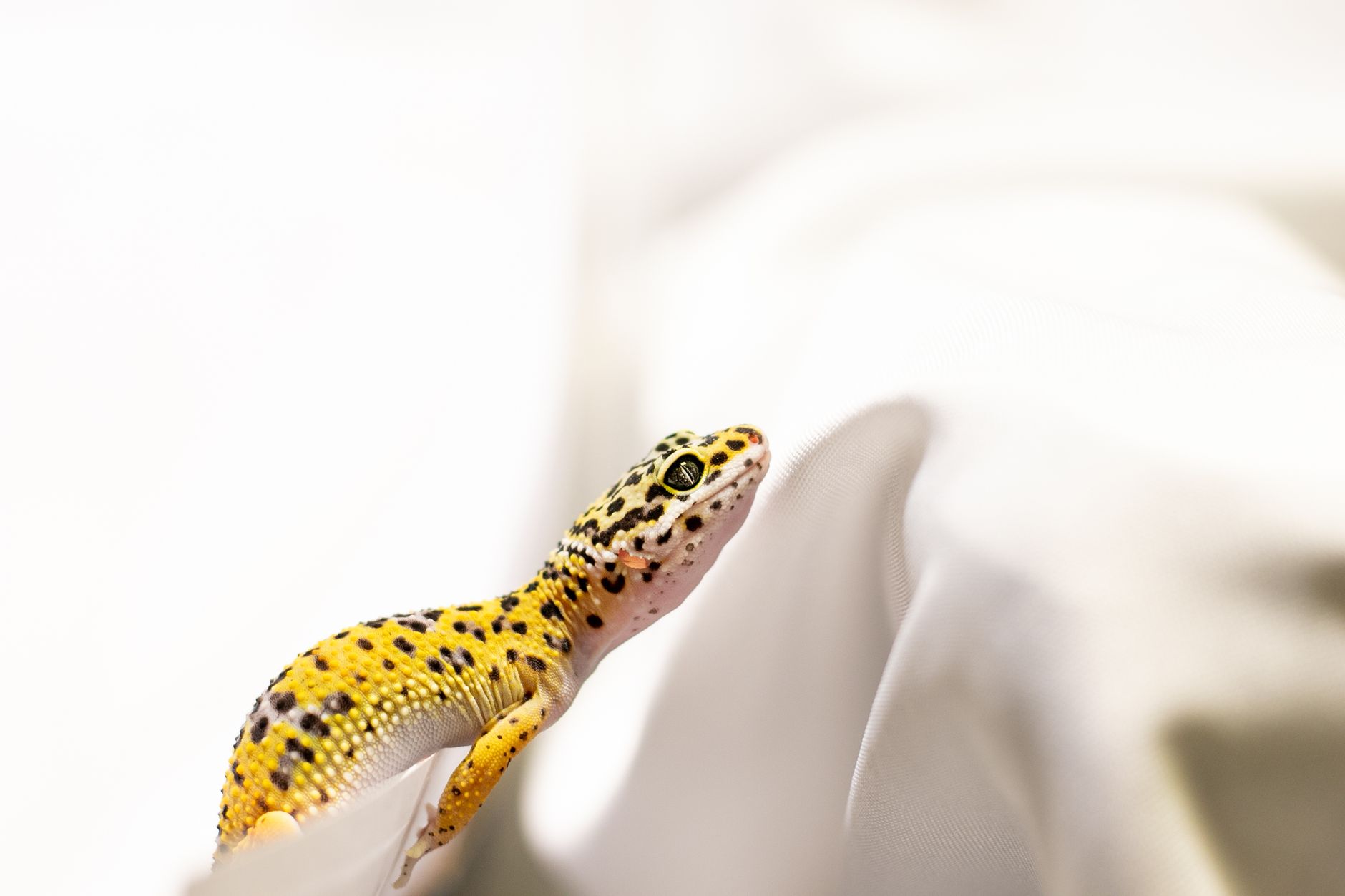
Making a reptile enclosure more interesting involves introducing species-appropriate reptile enrichment, such as varied climbing structures, natural textures, multi-level hides, and safe foraging opportunities. By thoughtfully updating the environment while maintaining consistent temperature and humidity gradients, you encourage natural physical activity, exploration, and mental stimulation.
How can climbing and hiding structures add variety?
Creating a multi-dimensional environment is one of the most effective ways to make a vivarium engaging. Incorporating sturdy climbing branches, cork bark logs, rock ledges, and woven hammocks encourages your pet to use the full height and depth of their space. Providing hides made from different materials, such as terracotta, natural wood, or smooth stone, offers distinct tactile experiences alongside essential security.
Adding varied substrate layers, such as safe soil blends, leaf litter, or coconut fibre, allows burrowing species to dig and explore natural microclimates. Ensure all climbing branches and heavy rocks are securely anchored so they cannot fall or shift during use.
What role does sensory and foraging enrichment play?
Foraging opportunities give reptiles a chance to exercise their natural instincts to hunt or search for food. Rather than placing food in the same dish every day, try scattering live insects, hiding food items inside cork bark crevices, or hanging safe leafy greens from the top of the enclosure. This simple change encourages active movement and problem-solving.
Introducing safe live plants, such as spider plants, pothos, or non-toxic succulents, adds varied textures, subtle scents, and natural humidity zones. Live foliage offers shade and visual barriers, helping your pet feel secure while exploring their environment.
Why should you regularly rotate enclosure furnishings?
Moving non-essential decor items during routine cleaning keeps the environment novel without causing unnecessary stress. Shifting a branch to a new angle or swapping a fake plant creates new pathways and scent trails for your pet to investigate. However, always keep core elements, such as basking spots, primary hides, and water bowls, in stable, consistent locations.
Every reptile species has unique physical and environmental needs, so tailored setups are essential for optimal welfare. Speak to a qualified veterinary professional if you are concerned about your pet, or book a home-visit appointment with an RCVS-registered vet or vet nurse through Pet Care at Door for expert advice on your pet's living environment.
Frequently asked questions
How often should I rearrange my reptile enclosure?
You can subtly rearrange non-essential decor during routine deep cleans every few weeks. Avoid changing the layout too drastically or too often, as reptiles rely on familiar scent markers and key resting zones to feel secure.
Are live plants safe to use in a reptile habitat?
Yes, non-toxic live plants offer excellent natural enrichment, shade, and humidity control. Always check species safety lists and ensure plants are completely free from pesticides, fertilisers, and plant food before introducing them.
Can pet reptiles get bored in their vivarium?
While reptiles experience the world differently from mammals, a sterile environment can lead to inactivity or lethargy. Adding varied textures, climbing paths, and novel foraging opportunities encourages healthy, natural exploration.
How do I know if my reptile likes new enrichment items?
Reptiles usually demonstrate interest by tongue-flicking, climbing, or exploring new areas within the enclosure. If your pet becomes overly skittish or avoids the area completely, slow down the rate of changes to help them feel secure.


