
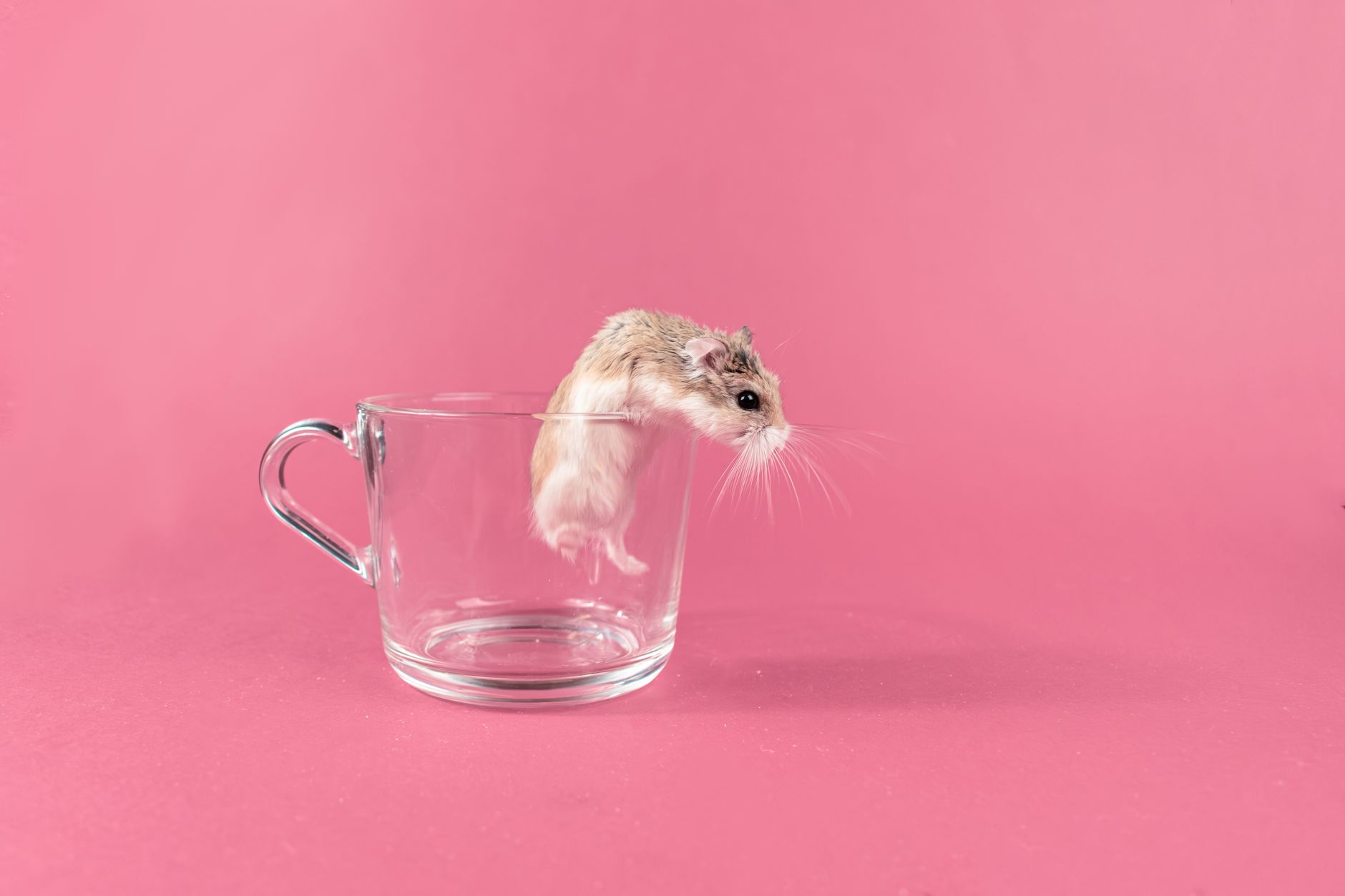
Creating a safe free-roaming area for your hamster involves choosing a secure, escape-proof space free from hazards like electrical cords, small gaps, and other household pets, while filling it with stimulating tunnels and hides. Allowing supervised time outside their main cage encourages natural foraging instincts and provides essential physical activity.
How do you choose the right space for hamster free roaming?
Selecting the right location is the first step in setting up a stress-free play environment. A quiet room with a smooth floor or a dedicated, tall-sided playpen works best, as this keeps your pet contained while preventing unexpected escapes. Bathrooms and hallway playpens are popular choices because they usually feature easy-to-clean flooring and fewer hidden gaps than carpeted living rooms.
Always ensure the temperature in the room is comfortable and free from cold draughts or direct heat sources. Keep other household pets like cats or dogs entirely out of the room during play sessions to prevent your hamster from feeling threatened.
How do you hamster proof the play area?
Before letting your hamster out to explore, conduct a thorough floor-level check to eliminate common household hazards. Block off all narrow gaps behind furniture, radiators, and skirting boards, as hamsters are skilled at squeezing through tiny openings.
Remove or securely lift all electrical cables, charger wires, and house plants off the ground. Ensure there are no small objects on the floor that your pet could chew or ingest, such as stray coins, plastic wrappers, or rubber bands.
What items promote healthy hamster enrichment during floor time?
An engaging play space relies on variety and opportunities for natural behaviour, making hamster enrichment a key part of floor time. Set up cardboard tubes, wooden bridges, ceramic hides, and snuffle mats across the floor to create a mini maze for your pet to navigate.
Scatter a small portion of their regular food or safe herbs around the area to encourage natural foraging instincts. Always supervise your pet continuously throughout their free-roaming session to ensure they stay safe while exploring their surroundings.
When should you seek advice from a veterinary professional?
Observing your hamster during free-roaming time offers a great chance to watch how they move and interact with their environment. If you notice changes in your pet's activity levels, posture, or confidence during play, professional guidance can be very helpful. Speak to a qualified veterinary professional if you are concerned about your pet. A home-visit vet or registered veterinary nurse can assess your pet in their familiar environment and offer practical advice on ideal housing, handling, and daily care routines.
Frequently asked questions
How long should a hamster be allowed to free roam each day?
Most hamsters benefit from 15 to 30 minutes of supervised floor time once a day, depending on their individual confidence, age, and energy levels.
Are plastic exercise balls safe for hamster free roaming?
Exercise balls are generally not recommended because they restrict natural senses, offer poor ventilation, and can cause stress or injury compared to a open-top playpen.
What floor surface is best for a hamster playpen?
Flat, non-slip surfaces like laminate, vinyl, or a laid-down fleece mat work best, as they are comfortable on delicate paws and easy to clean.


