
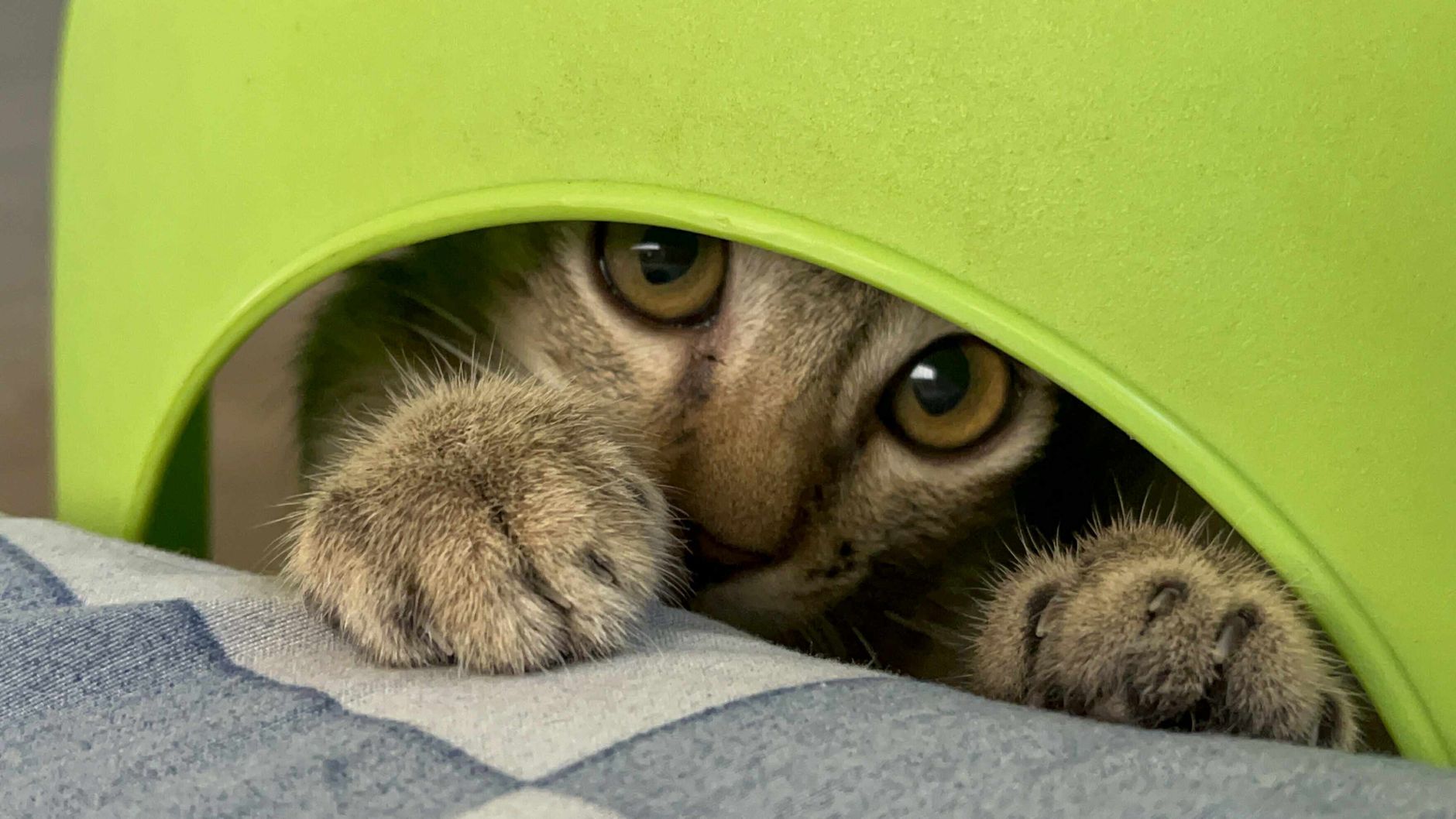
To choose the best cat tree, you should select a stable, well-built structure that matches your cat's size, age, and climbing confidence while offering tall vertical space, sturdy scratching posts, and cozy resting perches. A good tree supports natural feline behaviours like climbing, scratching, and surveying their surroundings, making it an essential part of everyday cat enrichment.
What features make a cat tree safe and sturdy?
Safety and stability are the most important factors when selecting a cat tree for your home. Look for a tree with a heavy, wide base to prevent tipping during enthusiastic play or high-speed jumps. Sturdy vertical posts wrapped in natural sisal rope provide excellent grip for climbing and scratching, while high-quality wood or thick pressed board ensures long-term durability. Avoid lightweight plastic models or top-heavy designs that wobble easily, as a shaky tree can intimidate your pet and discourage them from using it altogether.
How do you choose the right size and height for your pet?
The ideal height and configuration of a cat tree depend largely on your cat's age, mobility, and personality. Energetic young cats and agile breeds generally prefer tall trees reaching up to two metres high, complete with multiple tiers, hammock attachments, and elevated lookout perches. Older cats, kittens, or pets with reduced mobility benefit from lower, modular designs featuring shallow steps, ramps, and easy-access sleeping platforms close to the ground. Measuring your floor space and ceiling height before buying will help you select a structure that fits seamlessly into your living area without crowding the room.
Where is the best place to position a cat tree in your home?
Location plays a vital role in whether your cat will actually use their new tree. Position the structure in a busy, shared living area such as a lounge, near a window where your cat can watch outside wildlife and soak up natural sunlight. Avoid placing the tree in isolated corridors, cold utility rooms, or right next to noisy household appliances like washing machines. If you have multiple pets, placing the tree in an open space ensures submissive cats can access elevated perches without feeling trapped by other animals.
How can you encourage your cat to use a new tree?
You can encourage your cat to explore a new tree by placing familiar bedding, catnip, or favoured toys on the higher platforms. Rubbing a clean cloth over your cat's cheeks and then wiping it onto the sisal posts helps transfer their natural scent, making the new furniture feel safe and familiar. Avoid forcing your cat onto the tree or lifting them onto top perches, as this can create negative associations. Speak to a qualified veterinary professional if you are concerned about your pet or want tailored advice on home enrichment for older animals.
Frequently asked questions
What material is best for cat scratching posts on a tree?
Natural sisal rope or woven sisal fabric is the best material for cat scratching posts because it provides a satisfying texture for clawing and holds up exceptionally well against wear. Carpeted posts are also common, though sisal generally lasts much longer under daily use.
How many cat trees do you need for multiple cats?
In a multi-cat household, providing one large tree with multiple levels or having two separate trees helps reduce competition for high perches. Having distinct perching spots allows each cat to enjoy elevated views without feeling crowded or challenged by housemates.
Can a cat tree be cleaned and sanitised easily?
Most cat trees can be maintained by vacuuming up loose fur and spot-cleaning fabric surfaces with pet-safe carpet cleaner or warm soapy water. Choosing models with removable, machine-washable cushion covers makes routine hygiene even simpler.
Is a cat tree necessary for an indoor cat?
While not strictly required, a cat tree provides essential vertical space and physical movement that greatly enhances an indoor cat's environment. It encourages healthy stretching, claw maintenance, and mental stimulation in a safe indoor setting.


