
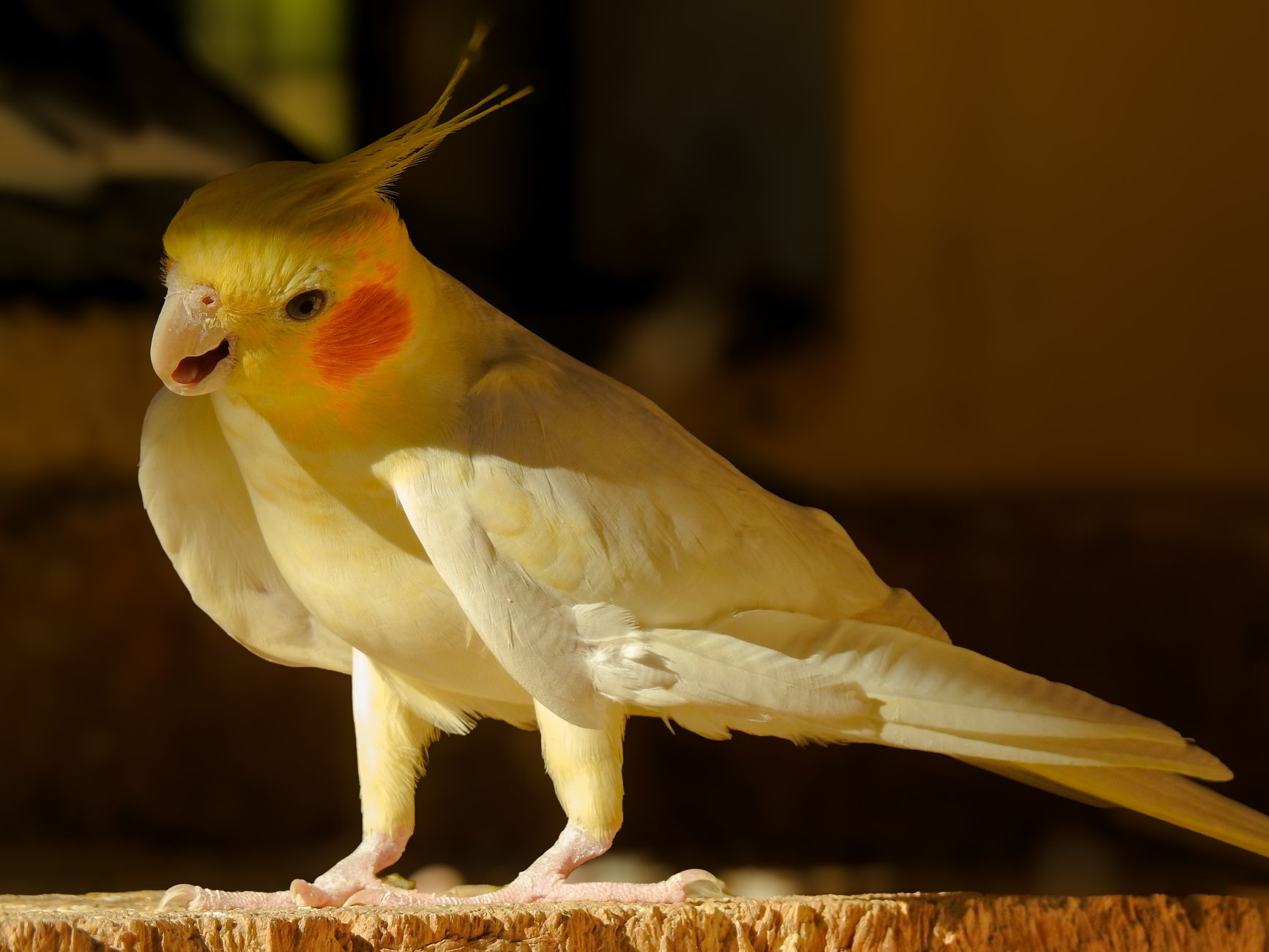
Selecting the correct bird cage involves finding a secure enclosure that offers ample space for your feathered companion to spread their wings, move between perches, and play safely. The ideal bird cage setup should accommodate your bird's specific species size, bar spacing needs, and daily enrichment requirements.
What size cage does a pet bird need?
The size of the enclosure depends directly on the species and physical span of your bird. A good rule of thumb is that the cage must be large enough for the bird to fully extend its wings without touching the sides or bar accessories. Width and length are generally more useful than vertical height, as birds fly horizontally across their living space.
Larger species like African greys or cockatoos require substantially more room to stretch, climb, and forage compared to smaller birds like budgies or cockatiels. If you keep multiple birds together, you will need to scale up the space accordingly so each pet has personal room to rest without feeling crowded.
How do you choose the right bar spacing and material?
Bar spacing is critical for keeping your pet bird secure and preventing accidental injury or escape. Smaller birds need narrow bar spacing so they cannot push their heads through the gaps, whereas larger parrots need thicker, sturdy metal bars that can withstand strong beaks.
Look for non-toxic materials such as powder-coated steel or stainless steel cages. Avoid zinc or lead coatings, which can be hazardous if chewed or ingested over time. Ensure the doors have secure latches, as many intelligent bird species quickly learn how to undo simple sliding mechanisms.
Where should you place the cage in your home?
Place the enclosure in an active room where your bird can see family activities without being exposed to direct hazards. Avoid placing the cage directly in front of sunny windows, near cold draughts, or inside kitchens where cooking fumes and non-stick cookware off-gassing can pose serious risks to avian respiratory systems.
Position the cage against at least one solid wall so your bird feels secure from behind. Speak to a qualified veterinary professional if you are concerned about your pet, or book a home visit with an RCVS registered vet or nurse for tailored home environment advice.
Frequently asked questions
How often should a pet bird cage be cleaned?
Spot clean the bird cage daily by removing droppings, replacing cage liners, and washing food and water bowls. A deep clean with a pet-safe disinfectant should be carried out once a week or fortnightly.
Can a bird cage ever be too big?
A bird cage cannot be too large, provided the bar spacing is correct for your bird's size. Extra room for movement and perching is always beneficial for your pet's physical and mental health.
Should you cover a bird cage at night?
Covering a bird cage with a breathable light sheet at night helps establish a dark, quiet routine and prevents night scares. Ensure adequate ventilation around the base so air circulates freely.


