
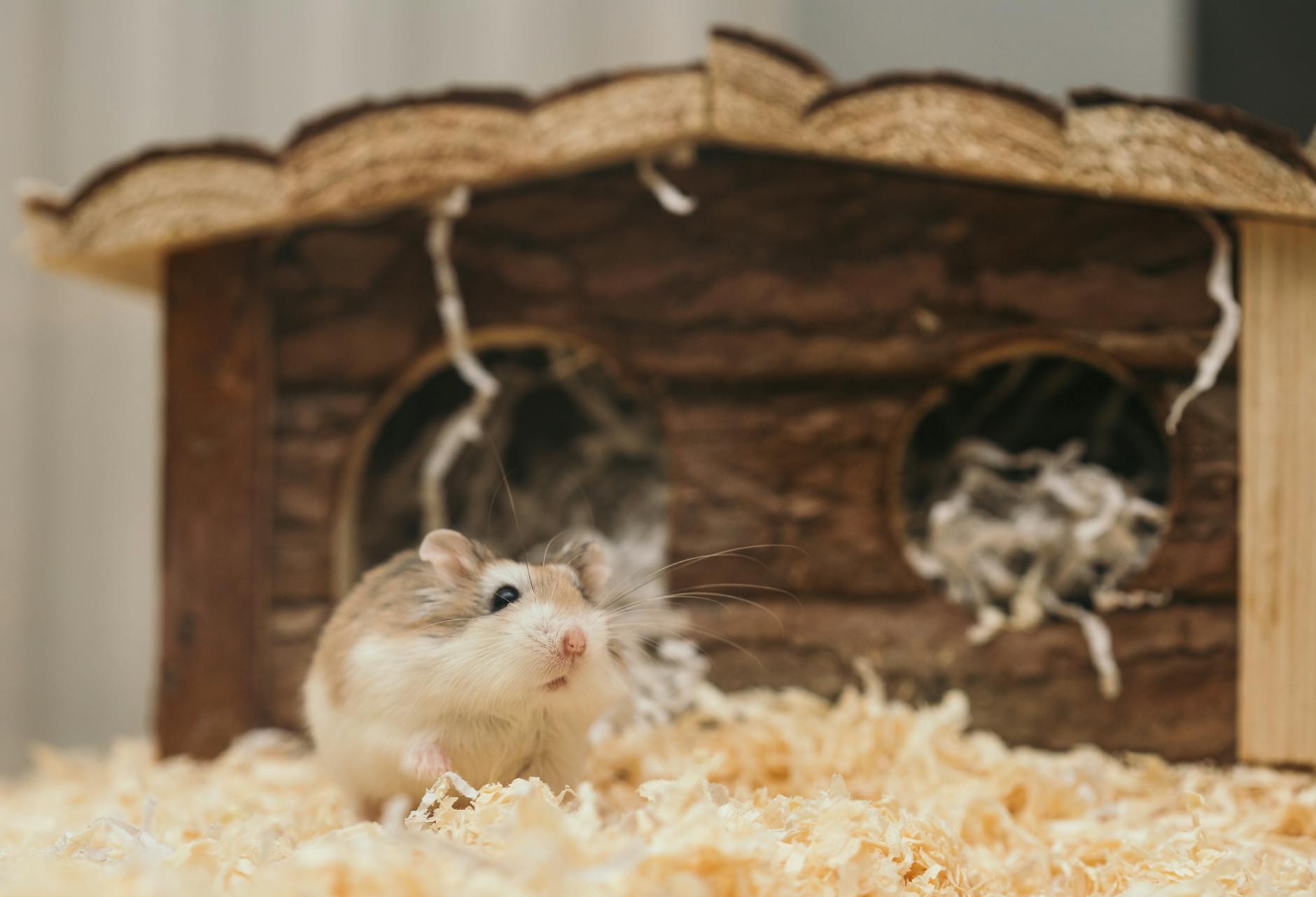
Building a comfortable hamster habitat involves selecting a spacious enclosure with excellent ventilation, providing a deep layer of safe bedding for burrowing, and carefully arranging key areas for rest, exercise, and feeding. A thoughtful hamster cage setup supports your pet's natural instincts, keeps them active, and ensures they feel safe in their home environment.
What type of enclosure makes the best hamster habitat?
Selecting the right enclosure is the first step in creating a safe and rewarding environment for your pet. Hamsters need continuous floor space rather than tall, narrow cages with multiple wire tiers, as they are ground-dwelling animals that prefer running and burrowing over climbing. A glass tank with a secure mesh lid, a large glass terrarium, or a spacious wooden enclosure with proper ventilation all make excellent choices.
Adequate floor space allows you to create distinct functional zones for sleeping, feeding, digging, and playing. Wire cages can work if the bar spacing is narrow enough to prevent escape, but solid-walled enclosures often allow for much deeper bedding without mess. Avoid small plastic modular cages with narrow tubes, as these restrict movement, lack airflow, and are difficult to clean effectively.
How do you create the ideal hamster cage setup?
Creating a comfortable hamster cage setup relies heavily on choosing the right substrate and layering it effectively. Deep bedding is essential because wild hamsters naturally dig extensive underground tunnels. Provide a dust-free paper bedding or soft aspen shavings at a depth of at least fifteen to twenty centimetres across a large portion of the enclosure so your hamster can build burrows.
Within the habitat, arrange several hideaways where your pet can sleep undisturbed during the day. Wooden houses, ceramic hides, and cork logs make great shelters. Place soft, unbleached paper tissue near their hideout as nesting material, avoiding fluffy cotton wool products that can wrap around limbs or cause digestive blockages if swallowed. Creating a quiet sleeping area away from direct sunlight and household draughts will help your hamster feel secure.
What essentials and enrichment should you include?
An ideal habitat must include essential supplies alongside engaging activities to keep your hamster active and entertained. A solid-surface exercise wheel of appropriate size is a vital component. Syrian hamsters require a larger wheel to prevent their backs from arching while running, while dwarf varieties need a smaller, lightweight wheel they can push easily. Avoid wire or mesh wheels, as these can injure small paws.
Incorporate a heavy ceramic food dish that cannot be tipped over, along with a reliable water bottle or small water bowl. A sand bath filled with safe, dust-free bathing sand is another essential addition, as hamsters use sand to keep their fur clean and reduce oiliness. You can also add wooden chews, cardboard tubes, and scattered herbs to encourage natural foraging behaviour. If you ever have questions about your pet's routine, diet, or overall wellbeing, booking a home visit with an RCVS-registered vet or veterinary nurse through Pet Care at Door can offer tailored guidance in the comfort of your own home. Speak to a qualified veterinary professional if you are concerned about your pet.
Frequently asked questions
What is the best bedding material for a hamster habitat?
Dust-free paper-based bedding or soft aspen wood shavings are ideal choices for a hamster setup. Avoid scented beddings and fluffy cotton wool materials, as these can be hazardous if ingested or wrapped around tiny limbs.
How deep should hamster bedding be in an enclosure?
Hamsters love to burrow, so bedding should ideally be at least fifteen to twenty centimetres deep in a large section of the enclosure. This depth allows them to create natural tunnel systems and feel secure in their home.
Do hamsters need a sand bath in their habitat?
Yes, a sand bath using safe, dust-free bathing sand is excellent for hamster hygiene and enrichment. It helps keep their coat clean by absorbing natural oils and offers a fun digging area.
How often should you clean a hamster cage setup?
Spot clean soiled bedding and remove fresh food daily to maintain hygiene without causing unnecessary stress. Full cage clean-outs should only be done every few weeks, leaving some clean old bedding behind to preserve familiar scents.


