
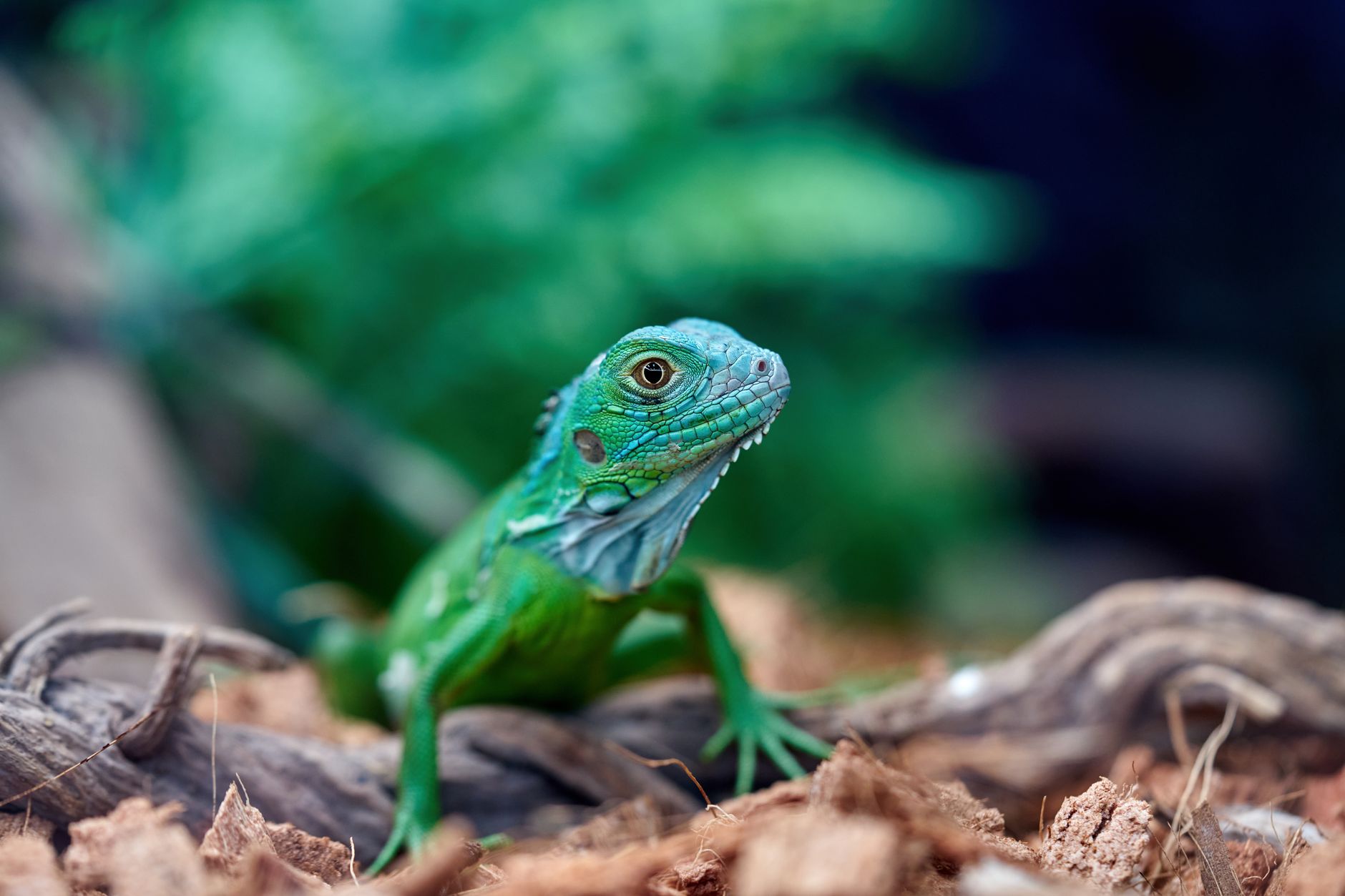
A pet reptile needs enough space to move naturally, stretch out fully, and experience a proper thermal gradient across its habitat. The precise dimensions required depend heavily on the specific species, its projected adult size, and whether it climbs vertically or roams horizontally. As a general rule, providing a larger space than the bare minimum significantly improves your pet's overall well-being, activity levels, and routine behaviour.
How do you determine the right reptile enclosure size?
To determine the correct space required, you must consider the adult size and natural habits of the species rather than its dimensions as a juvenile. Ground-dwelling species like leopard geckos or corn snakes require ample floor space to crawl, explore, and stretch out completely. Conversely, tree-dwelling species like crested geckos need tall habitats that accommodate climbing branches and foliage. A practical baseline for many terrestrial reptiles is an enclosure length that is at least four times the length of the fully grown animal.
Why is spatial thermal gradient important in a vivarium?
Reptiles are cold-blooded animals that rely entirely on their surroundings to regulate their body temperature. A suitable habitat must be large enough to feature a distinct warm basking area at one end and a cooler zone at the other. In a small space, heat spreads rapidly throughout the entire area, making it difficult to maintain this temperature difference. Generous space ensures your pet can move freely between warm and cool areas to manage its comfort throughout the day.
How does habitat size affect enrichment and safety?
Adequate physical space allows you to introduce essential environmental enrichment, such as secure hides, rock ledges, climbing branches, and suitable substrate without overcrowding the area. Overfilling a small setup restricts movement and can make routine cleaning and maintenance difficult. Larger setups also allow for safer positioning of heating lamps and UV lighting, reducing the risk of accidental contact. If you are unsure about the ideal setup for your specific animal, speak to a qualified veterinary professional for general husbandry guidance.
Frequently asked questions
Can a reptile habitat be too large for a young pet?
A large habitat is rarely a problem as long as it contains plenty of hiding places, foliage, and secure areas. Young reptiles can feel insecure in wide open spaces, so adding extra cover ensures they feel safe while navigating a larger space.
What size vivarium does an adult bearded dragon need?
An adult bearded dragon typically requires a vivarium measuring at least four feet long, two feet wide, and two feet high. This size offers enough room for active movement, basking spots, and a proper temperature gradient.
Should climbing reptiles have taller habitats?
Yes, arboreal or climbing species require vertical height rather than just floor space. Taller habitats allow you to install branches, vines, and elevated perches that encourage natural climbing behaviours.


