
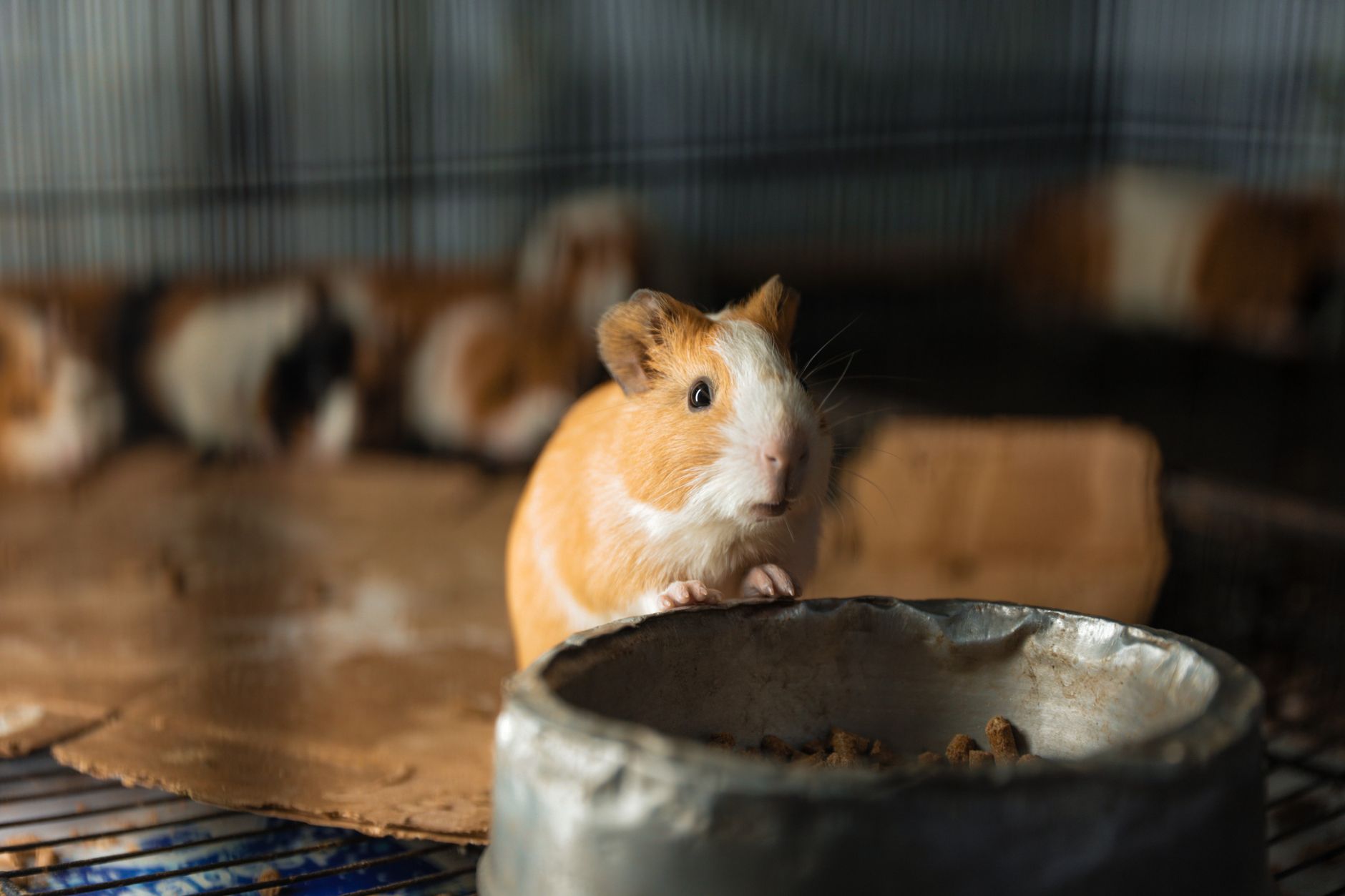
Guinea pig proofing involves securing household hazards, blocking tight spaces, and covering exposed wires so your pets can enjoy safe floor time outside their enclosure. By preparing a designated room or play area with non-slip flooring and secure barriers, you protect your cavies from accidents while encouraging natural exercise and curiosity.
How do you secure electrical cables and household hazards?
Electrical cords present one of the biggest risks to roaming guinea pigs because cavies naturally nibble on items in their environment. Wrap all exposed cables in heavy-duty plastic cable protectors or run them along walls well above floor level. Remove any house plants from the floor area, as many common indoor species are toxic if ingested. Make sure cleaning products, air fresheners, and small objects that could be swallowed are completely out of reach before letting your pets explore.
How do you block small gaps and secure furniture?
Guinea pigs are skilled at squeezing into tight dark spaces, such as under sofas, behind radiators, or between bookcases. Use sturdy playpen grids, wooden barriers, or cardboard panels to block off gaps where a pet could become trapped or difficult to retrieve. Ensure any temporary fencing is high enough so your cavies cannot push through or knock over the boundaries. Check that heavier items of furniture are stable and cannot tip over if a curious guinea pig leans against them.
What flooring and surfaces are safe for floor time?
Slippery surfaces like wooden laminate or linoleum make it difficult for guinea pigs to gain traction, which can lead to stress or accidental slips. Cover smooth floors with washable fleece liners, thick towels, or cotton rugs to give your pets a soft, non-slip grip. Absorbent underlayers also help protect your home carpets from unexpected messes. Ensure the room is free from cold draughts and kept at a comfortable, steady temperature throughout their exercise routine.
Creating a safe environment helps your guinea pigs stay active and entertained every day. If you ever have questions about creating a safe living setup or general daily care for your pets, you can book a home visit with an RCVS-registered vet or registered veterinary nurse through Pet Care at Door for friendly guidance in the comfort of your home.
Frequently asked questions
How long should guinea pigs get floor time each day?
Guinea pigs benefit from at least one to two hours of floor time every day in a safe, proofed environment. This provides vital exercise, mental stimulation, and a change of scenery outside their main enclosure.
Can guinea pigs roam freely around the whole house?
Unrestricted free roaming across an entire home is generally not recommended because of hidden hazards like exposed wires, furniture gaps, and draughts. It is much safer to set up a dedicated, fully proofed room or a large enclosed playpen area.
What should you do if a guinea pig hides under furniture during floor time?
Avoid reaching in suddenly or forcing them out, as this can cause unnecessary stress. Gently coax them out using fresh hay or a favourite vegetable treat, and adjust your barrier setup next time to prevent access to hard-to-reach spaces.
How do you protect carpet during guinea pig floor time?
You can protect carpet by placing a waterproof tarp or plastic sheet on the floor, topped with absorbent fleece liners or washable towels. This keeps floor time clean while providing a soft, non-slip surface for your pets.


