
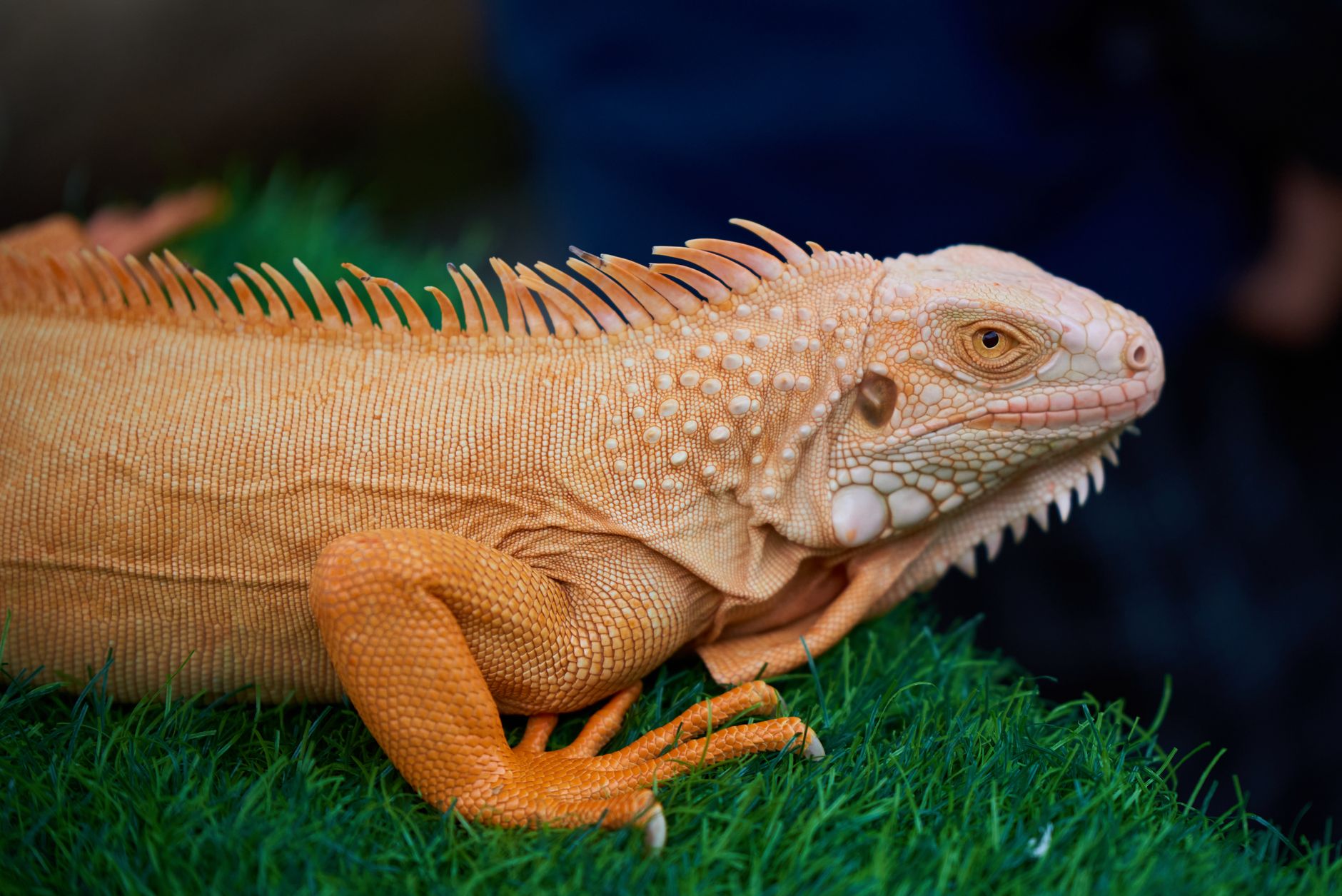
Creating hiding places in your reptile habitat gives your pet essential safe spots to retreat, thermoregulate, and feel secure in their environment. A well-designed hiding spot allows reptiles to rest undisturbed, which supports their overall wellbeing and natural daily routines.
Why do reptiles need hiding spots in their enclosure?
Reptiles rely on safe hides to feel secure, escape bright lights, and manage their body temperature effectively. In the wild, reptiles naturally seek shelter under rocks, fallen logs, or deep burrows to protect themselves from potential predators and weather changes. Providing multiple hides in a domestic setup helps recreate this natural environment and prevents chronic stress.
Where should you place hides inside the habitat?
To create a functional environment, you should place at least two hides inside the enclosure: one on the warm side and one on the cool side. This arrangement allows your reptile to adjust its body temperature without having to sacrifice its sense of security. Placing an additional moist hide filled with damp moss can also assist with natural shedding processes.
What materials make safe and effective reptile hides?
Commercially made resin hides, hollow cork bark logs, coconut shells, and simple plastic tubs with smooth entrance holes all work well. Whatever material you choose must be easy to clean, sturdy enough not to tip over, and free from sharp edges. Ensure the hide is appropriately sized so your reptile feels snug with its body touching the sides when curled up.
How do you maintain clean and safe hiding spots?
Regular cleaning of hiding spots is crucial for maintaining proper enclosure hygiene and keeping your pet comfortable. Remove any waste daily and wash removable hides with pet-safe disinfectants during routine habitat cleaning. Speak to a qualified veterinary professional if you are concerned about your pet.
Frequently asked questions
How many hides should a reptile enclosure have?
A reptile enclosure should generally have a minimum of two hides, placed at opposite ends of the temperature gradient. Adding a third moist hide can also be beneficial for species that require higher humidity for shedding.
Can I use cardboard boxes as temporary reptile hides?
Cardboard boxes can work as temporary hides, but they absorb moisture easily and are difficult to clean. Plastic, resin, or natural cork bark are much better options for long-term hygienic use.
How big should a reptile hide be?
A hide should be large enough for your pet to enter fully, but cosy enough that their body touches the internal walls when curled up inside. If a hide is too large, your reptile may not feel completely secure.
Should a reptile hide have a bottom base?
Bottomless hides placed directly on the substrate are usually best because they allow your pet to burrow and stay in contact with the bed material. However, hides with built-in bases work well for humid microclimates filled with damp moss.


