
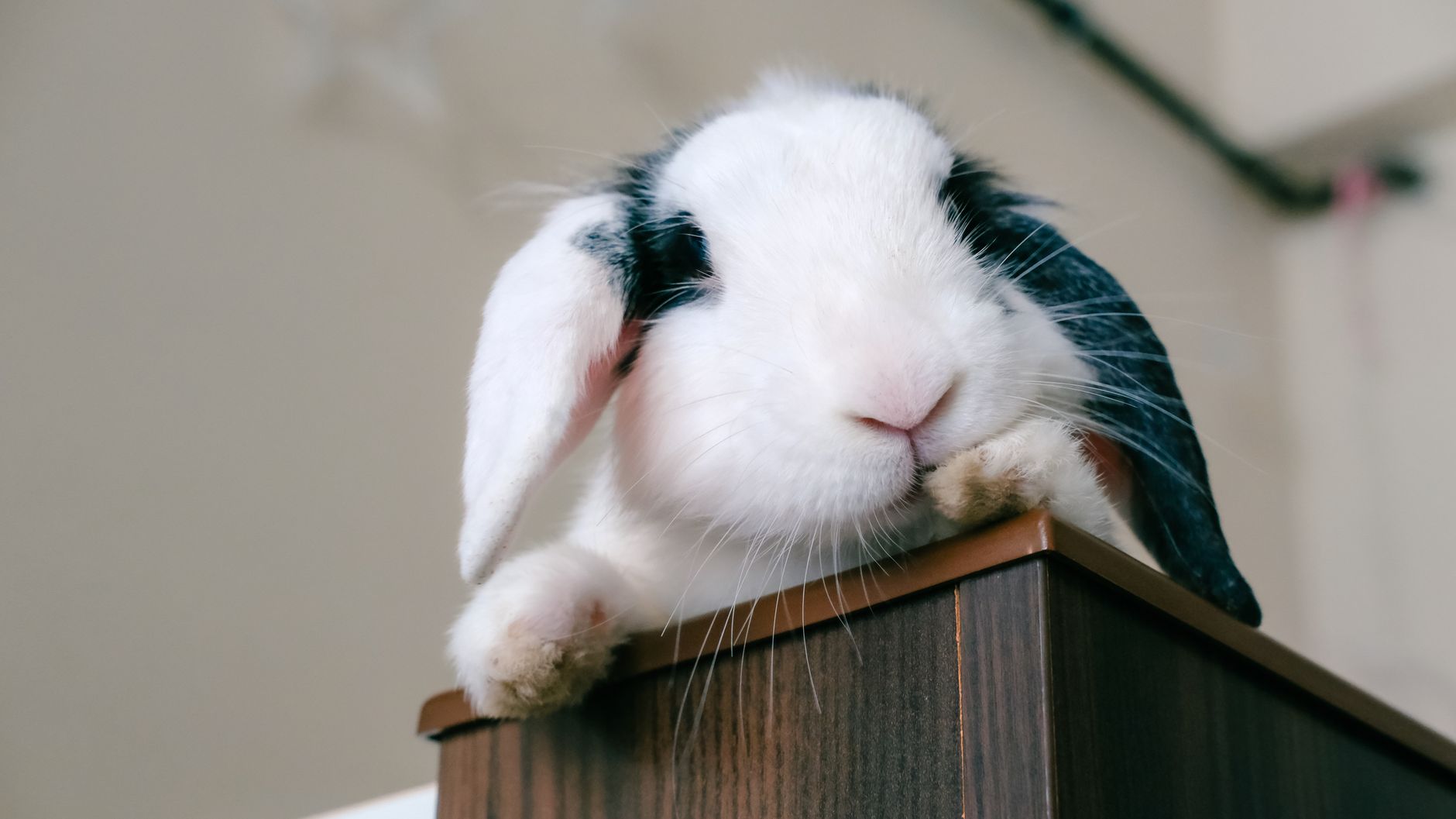
Creating a safe free-roaming area for your rabbit involves securing electrical cables, protecting wooden skirting boards, removing toxic houseplants, and providing a non-slip floor surface alongside enrichment items. Allowing house rabbits to roam freely or within a dedicated bunny-proofed room promotes physical activity and mental stimulation while protecting both your home and your pet from potential hazards.
How do you protect electrical wires and household items?
Rabbits have a natural urge to chew, which helps wear down their continuously growing teeth and satisfies their curious nature. When learning how to make your home rabbit friendly, protecting electrical cords should be your top priority. Use hard plastic cable tidies, conduit tubing, or run wires high out of reach behind heavy furniture. Skirting boards, wallpaper, and furniture legs can be safeguarded using plastic corner guards or temporary wooden barriers. Removing access to toxic indoor plants, chemical cleaning products, and small items that could be swallowed ensures your rabbit stays safe while exploring.
What flooring and boundary options work best for indoor rabbits?
Slippery surfaces like hardwood, laminate, or tile can make it difficult for rabbits to grip, leading to strain on their joints. Covering free-roam spaces with washable rugs, carpet runners, or foam play mats provides essential traction and comfort. If you are not ready to offer full access to the entire house, puppy playpens or sturdy pet exercise pens are ideal for creating controlled zones. Make sure the barrier is tall enough so your rabbit cannot jump over it, and ensure heavy pens are securely anchored to avoid tipping over during playtime.
How can you set up essential resources and enrichment in the area?
A successful free-roaming space requires clear functional areas for resting, eating, and bathroom needs. Place a spacious litter tray lined with rabbit-safe paper bedding and topped with fresh hay in a quiet corner, as rabbits like to graze while using the tray. Provide heavy ceramic water bowls, sturdy hideaways like cardboard boxes with multiple exits, and safe chew toys such as apple wood sticks or seagrass mats. Having familiar home comforts easily accessible encourages healthy daily routines and helps your rabbit feel secure in their environment.
When should you consult a veterinary professional?
Every rabbit has unique behavioural and physical needs depending on their age, breed, and temperament. If you need personalised guidance on setup, nutrition, grooming, or lifestyle, professional home-visit services offer convenient support directly in your pet's familiar environment. Speak to a qualified veterinary professional if you are concerned about your pet, or consider booking a visit from an RCVS-registered vet or registered veterinary nurse to review your rabbit's general health and daily care routine.
Frequently asked questions
Can rabbits be completely free-roaming in a house?
Yes, many indoor rabbits can live fully free-roaming lives once the environment is thoroughly rabbit-proofed and litter-trained. However, providing a dedicated secure pen or base area is still recommended for times when direct supervision is not possible.
How do I stop my free-roaming rabbit from digging the carpet?
Protect carpet corners by laying down heavy ceramic tiles, woven seagrass mats, or washable cotton rugs over favoured digging spots. Offering a dedicated digging box filled with shredded paper or safe soil helps redirect this natural behavior.
Do indoor rabbits still need a hutch or cage?
Indoor rabbits do not require a traditional hutch or cage if they have a safe pen or dedicated free-roaming area, but they always need a secure home base where their litter tray, water, hay, and hideaways are situated.
How can I tell if my rabbit feels comfortable in a new free-roam area?
A confident rabbit will display relaxed behaviours such as flopping onto their side, performing energetic jumps and twists called binkies, and exploring their surroundings calmly without remaining hyper-alert.


