
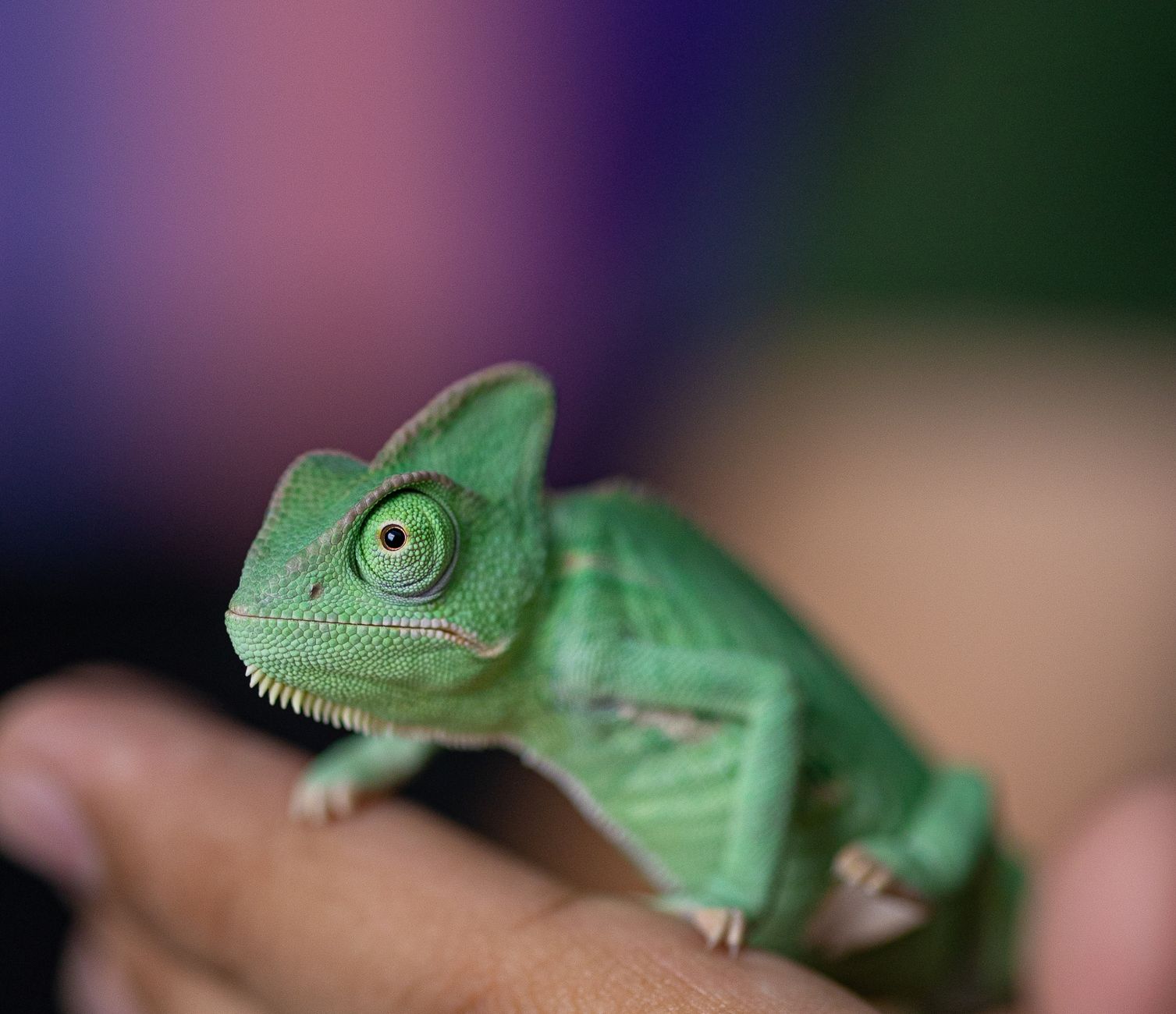
Creating a natural-looking reptile habitat involves carefully selecting safe substrates, background features, live or artificial plants, and functional decor that mimic your pet's native ecosystem. A well-designed naturalistic enclosure not only looks attractive in your home, but it also provides vital environmental enrichment for your reptile.
How do you choose the right background and substrate?
To build a realistic environment, start with the base and back walls of the vivarium. Textured backgrounds made from cork bark, expanding foam, or slate give climbing and terrestrial species extra surfaces and help the enclosure feel less open and stressful. For the floor, select a naturalistic substrate tailored to your pet's moisture needs. Rainforest species benefit from soil mixes containing orchid bark and coconut fibre, while arid species prefer sand or soil blends. Always ensure any chosen substrate is non-toxic and suitable for your specific pet.
What plants and decor items work best in a naturalistic setup?
Incorporating real or realistic artificial plants creates visual interest and offers essential hiding spots. Non-toxic live plants like pothos, snake plants, or safe succulents can help manage humidity, provided they can withstand the environmental conditions inside the enclosure. Adding natural branches, rocks, and cork logs allows your pet to express natural behaviours like climbing, basking, and hiding. Secure heavy rocks and large branches firmly so they cannot fall or shift when your reptile moves around.
How do you balance natural aesthetics with safety and maintenance?
While naturalistic elements improve the appearance of an enclosure, safety and hygiene remain top priorities. Avoid collected rocks or branches from the wild unless they have been properly sanitised, as untreated items can harbour unwanted organisms. Position lighting and heating elements carefully so that natural branches do not sit too close to hot lamps. Design the layout with easy cleaning in mind, leaving clear access to water dishes and high-traffic areas so routine spot cleaning remains straightforward.
If you have general questions about setting up a safe environment for your pet, you can book a home visit with an RCVS-registered vet or nurse through Pet Care at Door. Speak to a qualified veterinary professional if you are concerned about your pet.
Frequently asked questions
Can I use live plants in any reptile habitat?
Live plants can be used in many vivariums, but you must choose non-toxic species that match the specific humidity, light, and temperature levels required by your reptile.
How do I sanitise natural wood or branches for a vivarium?
Natural wood purchased from reputable pet suppliers is pre-cleaned, but wild materials should be thoroughly scrubbed and heated or dried to remove unwanted organisms before placement.
What is a bioactive reptile enclosure?
A bioactive setup combines natural substrate, live plants, and beneficial micro-organisms like springtails to create a self-sustaining miniature ecosystem that helps break down organic waste.


