
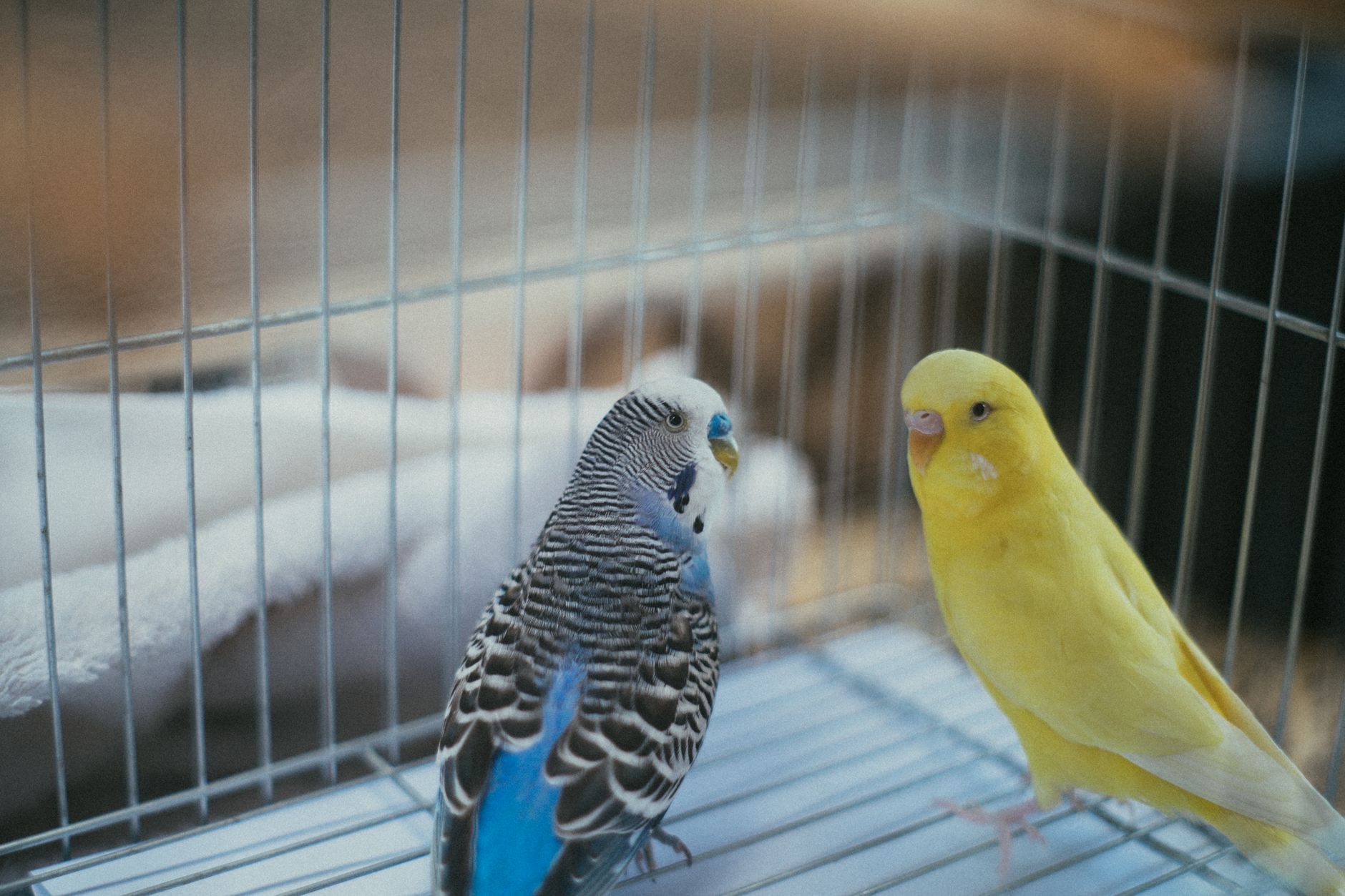
Creating a comfortable home for a pet bird involves choosing an appropriately sized enclosure, placing it in a bright, draught-free room, and providing a variety of perches, food bowls, and safe enrichment items. A proper setup allows birds to stretch their wings, move naturally, and feel secure in their environment, which promotes overall well-being and happiness.
What is the best bird cage setup for comfort and safety?
The foundation of a good bird cage setup is choosing an enclosure that provides ample room for movement. Your bird should be able to fully extend and flap its wings without touching the sides or perches. Horizontal bars are ideal for climbing species, while bar spacing must be appropriate for your bird size to prevent escapes or stuck limbs.
Inside the enclosure, arrange perches of varying natural wood diameters and textures. Natural branches encourage healthy foot exercise and help keep claws naturally worn. Avoid placing perches directly above food and water dishes to prevent contamination, and leave plenty of central open space so your bird can move freely.
Where should you place a bird cage in your UK home?
Location plays a significant role in making a bird feel safe and relaxed. Place the enclosure against a solid wall in a central family area where your bird can observe household activity without being overwhelmed. Avoid placing cages in kitchens due to toxic fumes from non-stick cookware, and keep them away from cold draughts, radiators, and direct hot sunlight from windows.
Birds also require consistent light-dark cycles to feel comfortable. Positioning the cage in a room where lighting can be dimmed naturally in the evening helps establish a stress-free daily routine. Covering the top and three sides of the cage at night with a light blanket can also help your pet feel secure while resting.
How do you keep an indoor bird enclosure clean and engaging?
Daily maintenance is essential for maintaining a fresh and comfortable habitat. Replace tray liners daily, clean food and water bowls with hot soapy water, and remove uneaten fresh produce after a few hours. A weekly deep clean of perches and surfaces helps maintain a hygienic environment for your pet.
To keep your bird mentally stimulated, rotate a small selection of bird-safe toys every week rather than cluttering the space all at once. Include foraging toys, shreddable paper items, and wooden blocks to encourage natural behaviour. Speak to a qualified veterinary professional if you are concerned about your pet.
Frequently asked questions
How big should a pet bird cage be?
A pet bird cage should be at least wide enough for the bird to fully extend and flap its wings without touching any bars or perches. Larger enclosures are always preferable to give your pet maximum space for exercise and natural movement.
Where is the safest place to put a bird cage?
The safest location for a bird cage is against a wall in a living room or quiet family space away from draughts, direct sunlight, and kitchen fumes. Avoid placing cages near doors or high-traffic corridors where sudden movements might startle your bird.
What type of perches are best for pet birds?
Natural wood perches of varying thicknesses are best because they exercise the muscles in a bird's feet and help wear down claws naturally. Avoid using uniform plastic perches or sandpaper perch covers, which can cause foot discomfort.
How often should a pet bird cage be cleaned?
Paper tray liners and food or water dishes should be cleaned or replaced daily to maintain hygiene. Perches, toys, and the enclosure frame should receive a thorough wipe-down and deep clean once a week.


