
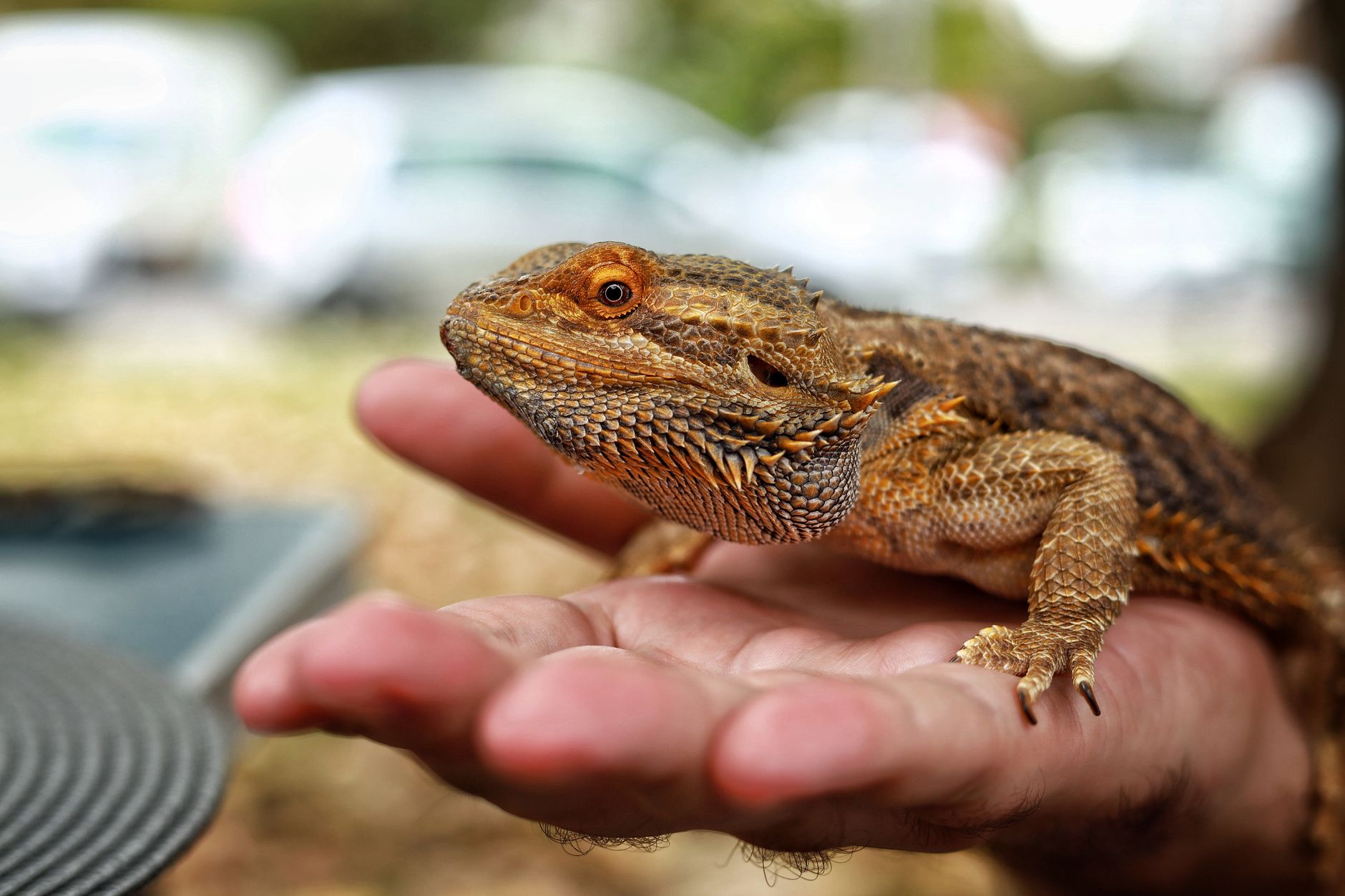
Choosing the right reptile substrate depends on your pet species, their native climate, and specific enclosure requirements. Desert species thrive on dry soil or sand mixes, while tropical species need moisture-retentive bedding like coconut coir or orchid bark to maintain correct humidity levels.
Why is choosing the correct reptile substrate so important?
Substrate forms the foundation of your pet's living space and directly influences their daily environment. The right choice supports natural digging or burrowing behaviours and provides necessary traction for comfortable movement.
Selecting an appropriate material also helps manage moisture levels within the vivarium. Using the wrong floor covering can cause hygiene issues or prevent your pet from displaying normal physical activities.
What are the best substrates for dry and tropical habitats?
Arid environments require materials that mimic sandy or rocky landscapes without trapping excess moisture. Suitable options include specialised sand-soil mixes or slate tiles, which hold warmth while keeping humidity low.
Tropical habitats benefit from organic substrates like coconut coir, peat moss, or orchid bark chips. These materials absorb and release moisture gradually, helping you maintain high ambient humidity without creating soggy conditions.
Paper towels, linoleum, or reptile carpets are non-loose options that work well for juvenile reptiles or temporary quarantine setups. These materials make waste easy to spot and clean immediately.
How do you clean and maintain enclosure bedding?
Daily spot cleaning is essential for removing unconsumed food and droppings to keep the habitat clean. Spotting waste early prevents bacteria build-up and maintains a healthy atmosphere.
Depending on the type of substrate you choose, a full clean and substrate replacement should take place every few weeks. Deep cleaning involves replacing all loose substrate and disinfecting the vivarium base thoroughly.
Speak to a qualified veterinary professional if you are concerned about your pet.
Frequently asked questions
How often should you change the substrate in a reptile vivarium?
Spot cleaning should be carried out daily to clear away waste and leftover food. A complete substrate replacement typically takes place every four to eight weeks, depending on the enclosure size and substrate type.
Can you use garden soil in a reptile tank?
Unprocessed garden soil should not be used because it may contain added fertilisers, chemical pesticides, or unwanted organisms. Always choose organic, pesticide-free topsoil or commercial substrate products.
Are paper towels a good substrate for young reptiles?
Paper towels are an excellent choice for young reptiles because they are absorbent, safe, and easy to monitor for hygiene. They allow you to track droppings easily and eliminate any risk of accidental substrate ingestion.


