
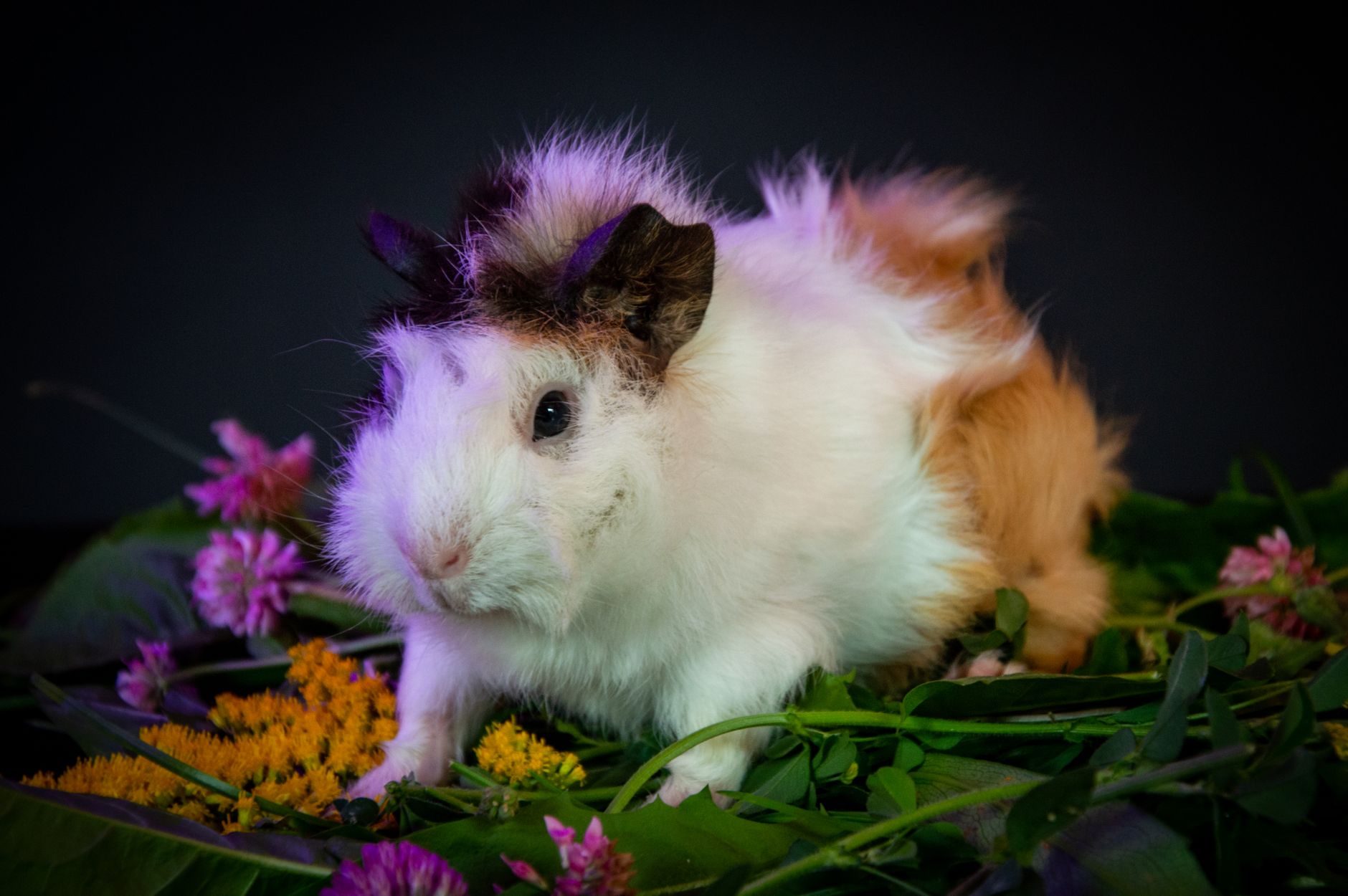
Choosing the right guinea pig cage requires selecting an enclosure that provides adequate floor space on a single level, good ventilation, and a safe, comfortable base for your pets. As a general rule, a pair of guinea pigs needs a minimum flat floor area of around 0.75 to 1 square metre, though larger space is always better for their health, welfare, and daily activity.
How big should a guinea pig cage be?
Guinea pigs spend the majority of their time in their enclosure, making adequate space essential for their well-being. Unlike hamsters or mice, guinea pigs are surface dwellers and do not climb well, so horizontal floor space is far more important than height or multi-level platforms. For two guinea pigs, a flat floor space of at least 1.2 metres by 0.6 metres is recommended, while larger groups require significantly more room to move, exercise, and establish comfortable personal boundaries.
What type of guinea pig cage is best?
C and C cages, which consist of wire mesh grids and a corrugated plastic base, are widely considered one of the best housing options for indoor guinea pigs. These modular designs allow pet owners to customise the dimensions easily and provide excellent airflow. Traditional wire-topped cages with solid plastic bases are also popular, provided they meet the minimum space requirements. Glass aquariums and solid plastic tanks should be avoided because they lack proper ventilation, which can trap ammonia and moisture inside the habitat.
Where should you place the guinea pig cage in your home?
The location of the cage within your home plays a crucial role in keeping your pets secure and relaxed. Place the enclosure in a quiet, well-ventilated room that stays at a stable temperature, ideally between 17 and 20 degrees Celsius. Avoid placing the cage in direct sunlight, near radiators, or in draughty areas such as near exterior doors or open windows. Since guinea pigs are social animals, choosing a room where your family spends time allows them to interact with everyday household life without feeling overwhelmed by excessive noise.
How do you maintain a clean and safe enclosure?
A clean environment is vital for maintaining good hygiene and keeping your pets comfortable. Choose a safe, absorbent bedding material such as fleece liners or dust-extracted paper bedding, and spot-clean the enclosure daily to remove soiled areas, uneaten fresh food, and wet patches. A full deep clean of the cage should be carried out at least once a week using a pet-safe disinfectant. Speak to a qualified veterinary professional if you are concerned about your pet, or book a home visit with an RCVS-registered vet or nurse through Pet Care at Door for general routine care advice.
Frequently asked questions
Can guinea pigs live in an outdoor cage year round in the UK?
Guinea pigs can stay outdoors during mild months, but UK winters are often too cold and damp for them. During cold weather, outdoor hutches should be moved indoors or into a dry, draught-free shed or garage to keep your pets warm and safe.
Do guinea pigs need a soft base in their cage?
Yes, guinea pigs have sensitive feet and require a soft, solid floor lined with absorbent bedding or fleece. Wire mesh flooring should never be used, as it can cause serious foot discomfort and injury.
Should a guinea pig cage have a lid or top cover?
A cage cover is essential if you have other pets, such as dogs or cats, or young children in your home. If the side walls are sufficiently high and there are no safety risks from other animals or falling objects, an open-topped cage can be safe.


