
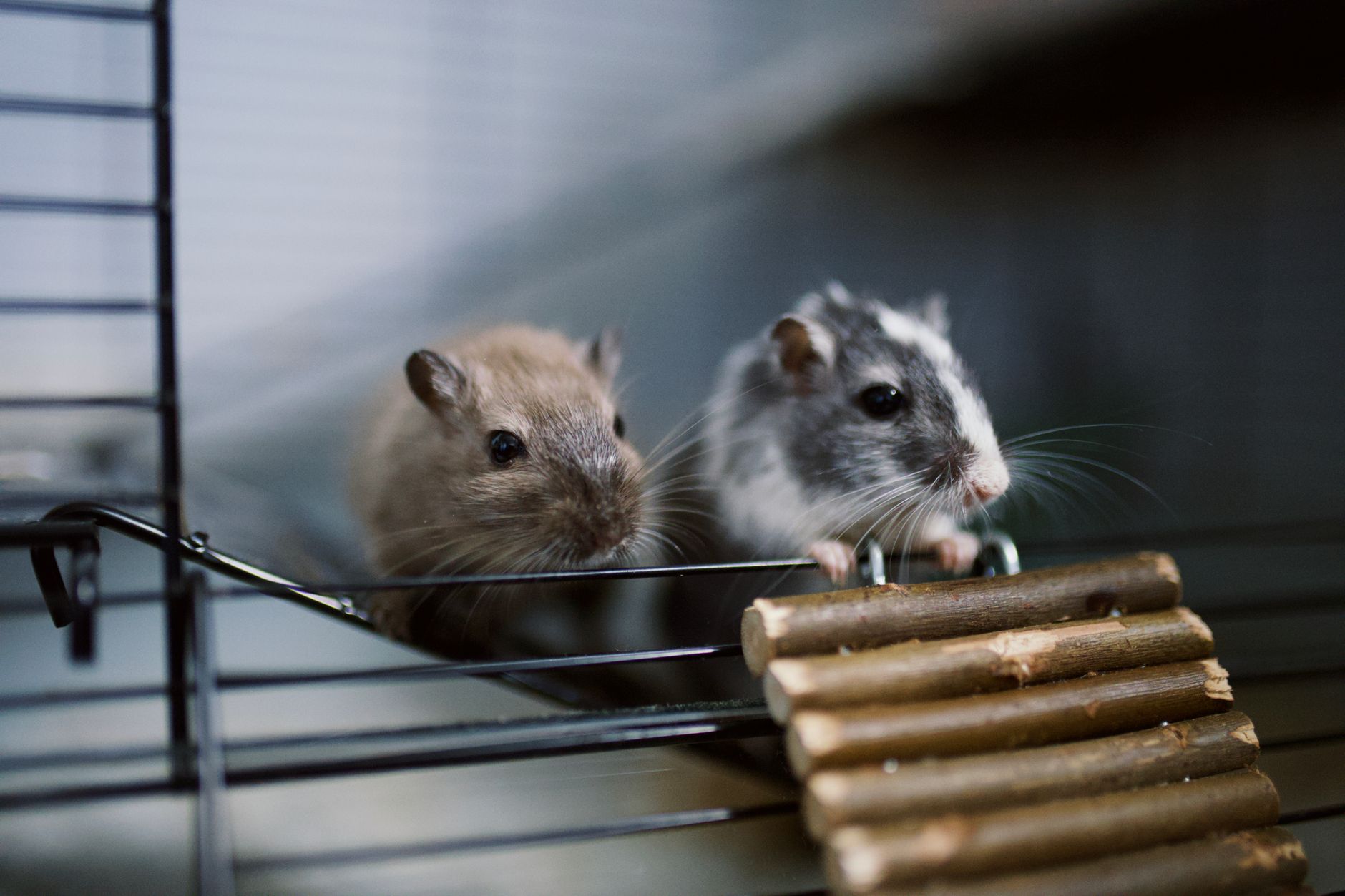
Choosing the best bedding for hamsters involves selecting safe, dust-free, and highly absorbent materials that support natural burrowing habits. Paper-based substrate and dust-extracted wood shavings are among the safest choices, while scented products and fluffy cotton wool should be strictly avoided to protect your pet's wellbeing and comfort.
What materials make the best bedding for hamsters?
Paper-based bedding is widely considered the best bedding for hamsters because it is soft, absorbent, and holds burrows extremely well. Unscented paper substrate allows hamsters to dig tunnels without collapsing risks while keeping their housing dry and cosy. Dust-extracted wood shavings, such as aspen, are another suitable option, providing a clean and natural floor covering for your hamster setup.
Which hamster bedding materials should you avoid?
Certain substrate materials pose safety risks to small pets and must never be used in a hamster enclosure. Fluffy, fibrous bedding made from artificial fibers or raw cotton wool can easily tangle around fragile limbs or cause dangerous blockages if swallowed. Scented beddings, pine shavings, and cedar shavings contain irritating oils and chemical fragrances that can disrupt a hamster's sensitive respiratory system.
How deep should hamster bedding be?
Hamsters are natural burrowers that thrive when given ample opportunity to dig and create underground nests. Providing a deep layer of bedding, ideally at least fifteen to twenty centimetres deep, encourages natural foraging and tunnelling behaviours. Spot cleaning dirty patches daily and replacing a portion of the substrate regularly helps maintain a hygienic environment without causing unnecessary stress to your pet.
When should you seek professional advice about your hamster?
If you notice changes in your hamster's behaviour, routine, or hygiene levels, professional guidance can offer complete peace of mind. A registered veterinary nurse or RCVS-registered vet can assess your setup and advise on optimal husbandry tailored to your pet's individual needs. Speak to a qualified veterinary professional if you are concerned about your pet, or consider booking a convenient home visit through Pet Care at Door.
Frequently asked questions
How often should you change hamster bedding?
You should spot clean soiled bedding daily and perform a partial clean every two to four weeks. Avoid replacing all the bedding at once, as keeping some clean old substrate helps retain familiar scents and reduces stress for your hamster.
Can you use shredded newspaper as hamster bedding?
Plain shredded paper or paper towels can be used as lightweight nesting material, but printed newspaper is best avoided due to potentially toxic inks. Commercial unscented paper bedding is much more absorbent and far better for supporting burrows.
Why do hamsters burrow in their bedding?
Burrowing is an instinctive behaviour that helps hamsters feel secure, regulate their body temperature, and store food safely. Providing deep bedding mimics their natural wild habitat and offers vital mental enrichment.
Is hay safe to use in a hamster cage?
Soft meadow hay is safe and acts as fantastic structural support when mixed with paper bedding to help tunnels hold their shape. Ensure the hay is dust-extracted and free from sharp, coarse stalks that could poke delicate eyes or cheek pouches.


