
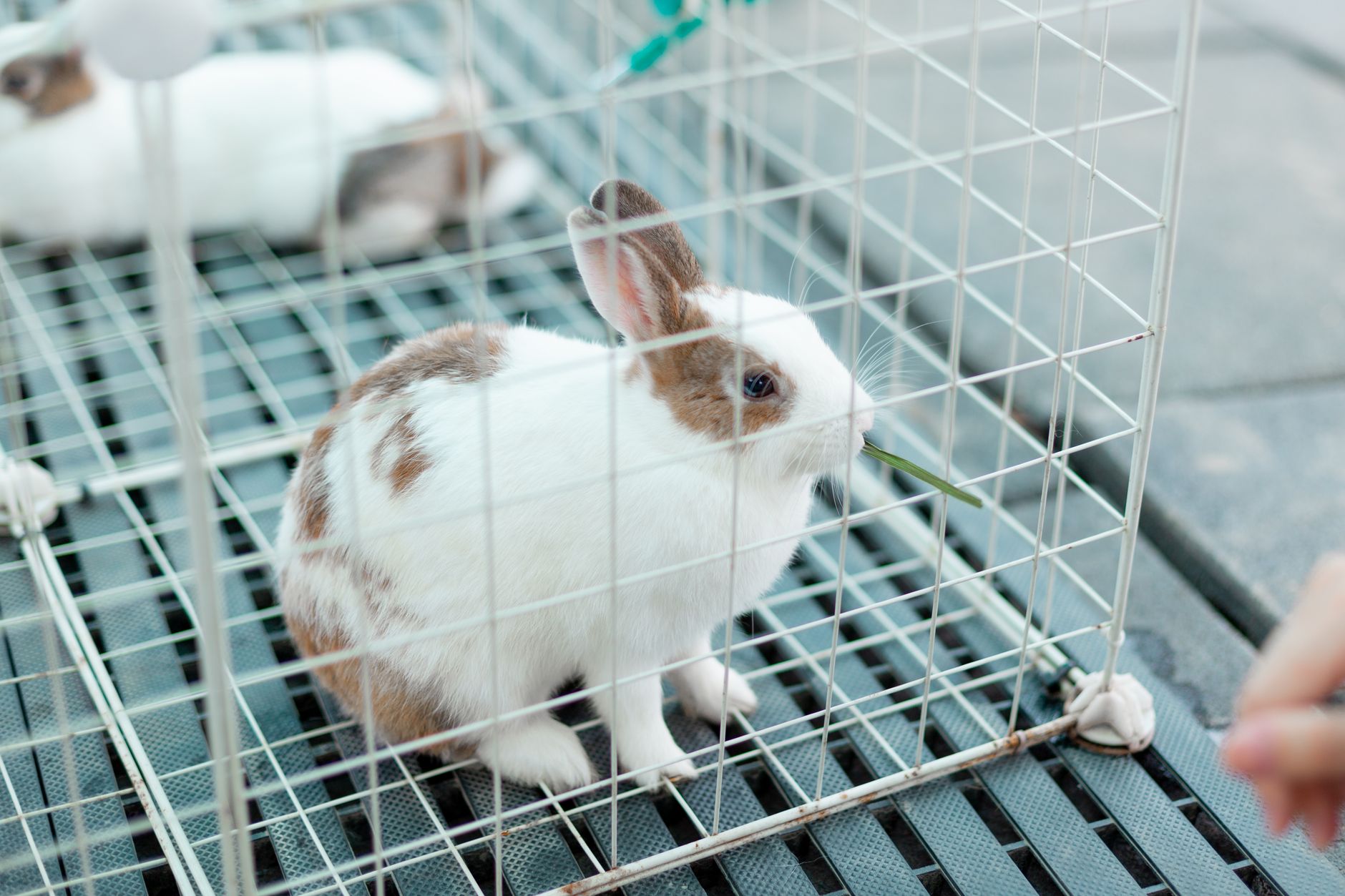
Discovering how to make your home rabbit friendly involves creating a safe, comfortable, and stimulating environment tailored to your pet's natural instincts. By securing household hazards, providing slip-resistant flooring, and setting up a dedicated resting sanctuary, you can build an indoor space where your rabbit can explore and thrive.
How do you rabbit proof your living space?
Rabbits possess a strong natural desire to chew and explore their surroundings, which makes indoor home preparation essential. Electrical cords and cables present a significant hazard, so all visible wires should be covered with thick plastic cable guards or placed entirely out of reach behind sturdy furniture.
Skirting boards, wallpaper, and wooden furniture legs are also popular targets for curious teeth. You can protect these areas by placing clear plastic corner guards along walls or using modular playpen grids to block access to specific zones. Additionally, ensure all houseplants are placed well above ground level, as many common house plants can be unsafe if nibbled.
What flooring is best for indoor rabbits?
Smooth flooring options like hardwood, laminate, or glazed tiles can be quite slippery for rabbits because their paws lack grippy footpads. Navigating slick surfaces can cause your rabbit to slide, making them feel insecure and reluctant to exercise naturally.
Adding non-slip rugs, fleece blankets, or interlocking foam mats creates a soft surface with excellent traction. These floor coverings make it easier for your rabbit to hop, run, and stretch out comfortably. Choose tightly woven rugs to prevent loose threads from being pulled or swallowed during daily play.
How do you design a dedicated rabbit sanctuary?
Every indoor rabbit requires a quiet base area that belongs entirely to them, serving as a peaceful retreat from daily household activity. This sanctuary should feature a spacious enclosure or pen that remains accessible when you are supervising, allowing easy movement in and out.
Inside this dedicated space, include a cozy hideaway box with multiple entry points, a litter tray filled with rabbit-safe paper bedding, fresh water, and a generous supply of clean feeding hay. Having a reliable home base helps your rabbit feel secure, confident, and settled within your house. Speak to a qualified veterinary professional if you are concerned about your pet or wish to discuss their general lifestyle needs.
Frequently asked questions
Can rabbits live as free-roaming pets inside a UK home?
Yes, many rabbits thrive as free-roaming indoor pets once your house is fully rabbit-proofed for safety. It is advisable to start by giving your rabbit access to a single safe room before gradually expanding their territory.
Are common houseplants safe around indoor rabbits?
Many popular houseplants can be harmful if chewed or ingested by a rabbit. It is best to keep all indoor plants on high shelves or in rooms that your rabbit cannot access.
How can you keep an indoor rabbit entertained at home?
You can keep an indoor rabbit engaged by offering cardboard boxes, tunnel tubes, untreated wicker baskets, and hideaways for foraging. Rotating these items regularly helps maintain their interest and encourages natural play.
Who should you contact for general guidance on indoor rabbit care?
You can consult a registered veterinary nurse or vet for practical advice on creating a suitable environment and daily routine for your rabbit. Speak to a qualified veterinary professional if you are concerned about your pet.


